Pyrolyseur de plastique/en
Prototype — Difficulté : Moyen — Durée : 4 hour(s) — Coût : 30 EUR — Mise à jour : 2 novembre 2025 — 26 révision(s) — Licence : n.c.
Aires : Energie Materiaux — Contributeurs : Ghyom, GoldofBengal, FuzzyBot
Fiche reformulée à partir du wiki Low-tech Lab : voir la fiche originale ↗
Versions de cette fiche : EN ES FR
Introduction
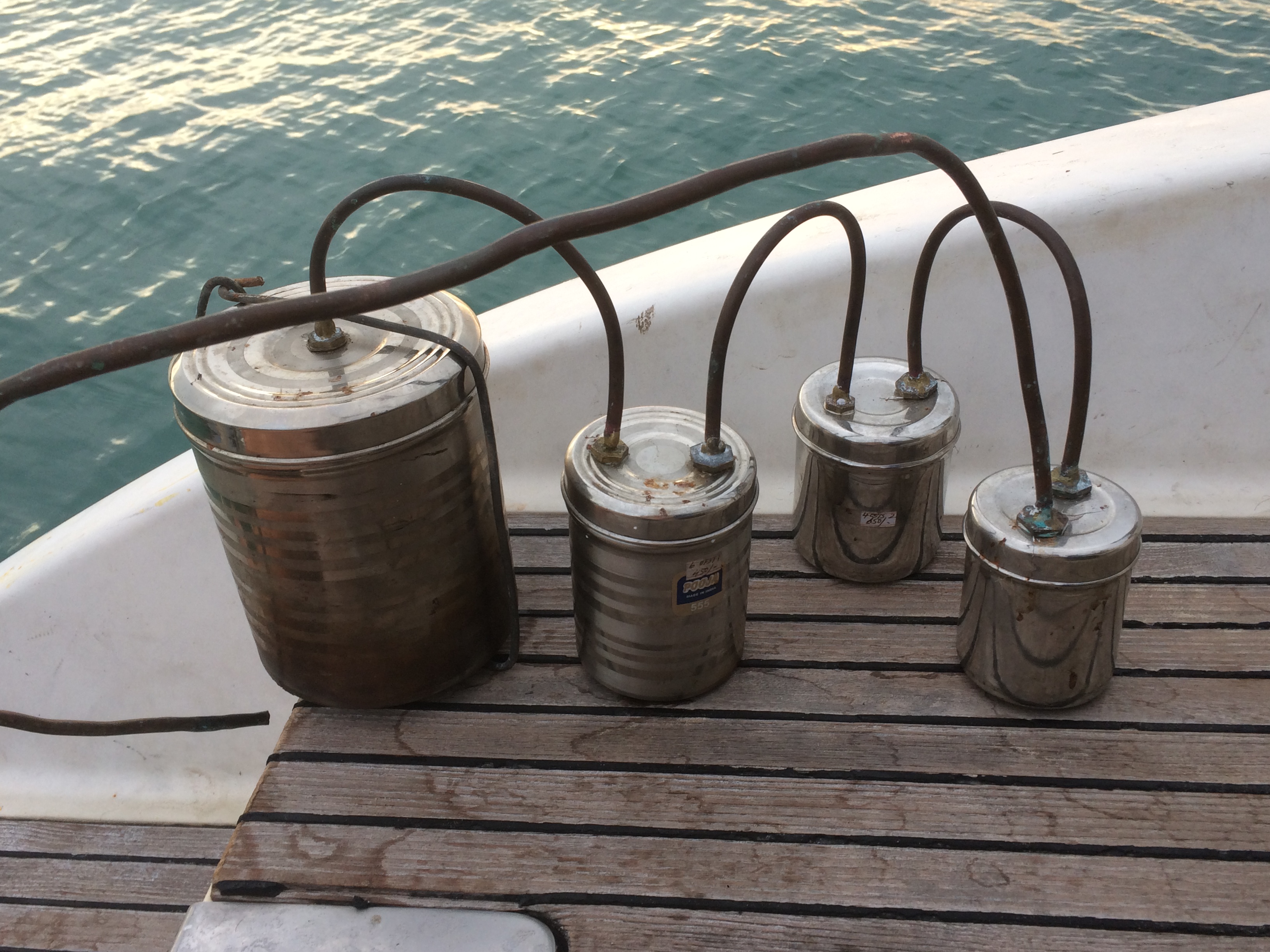
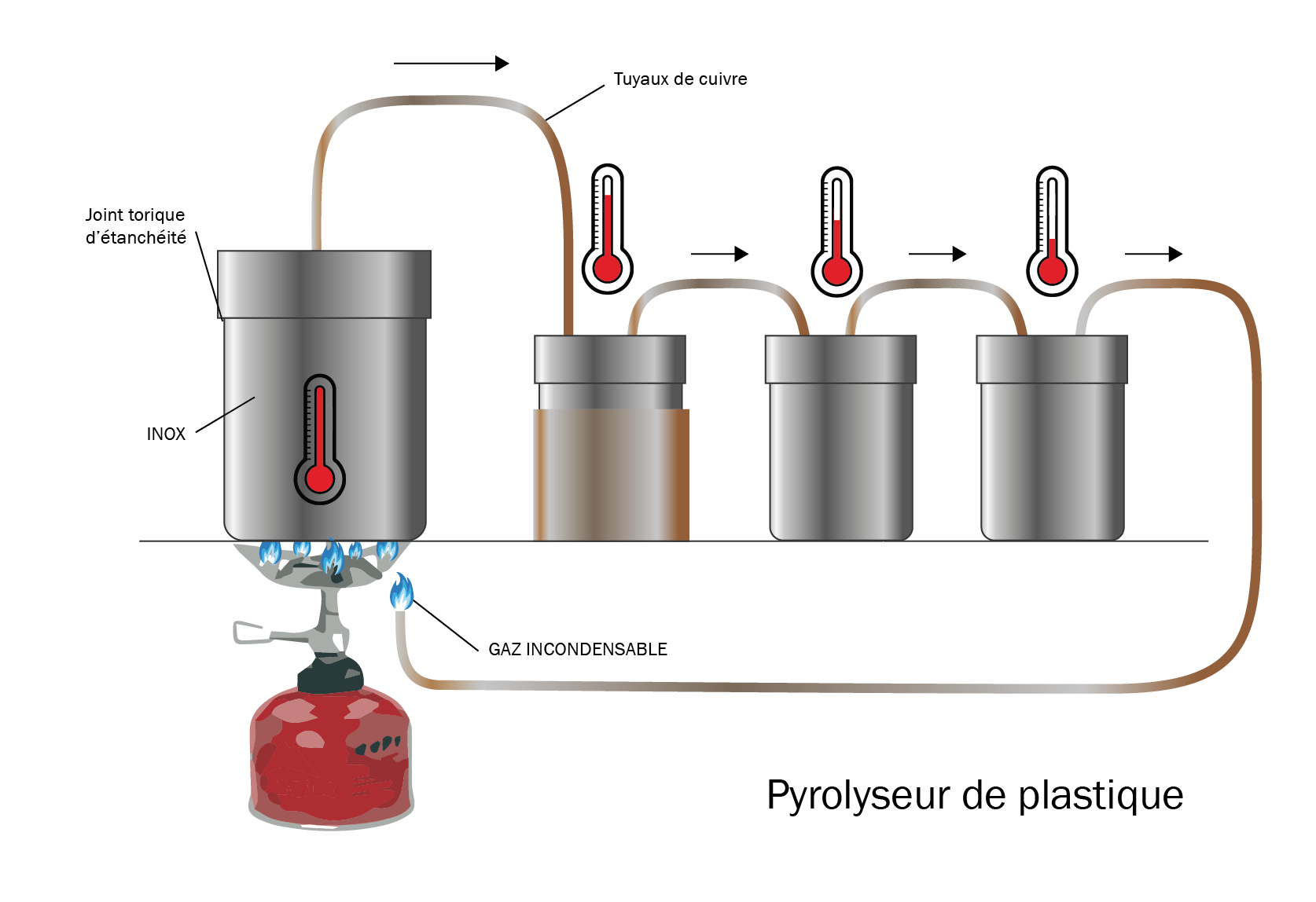
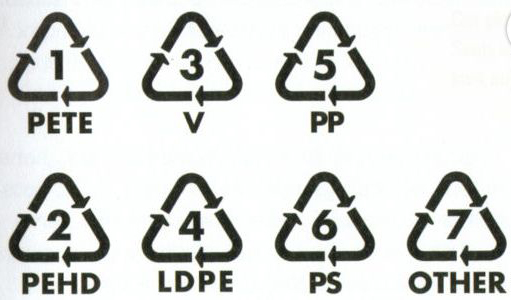
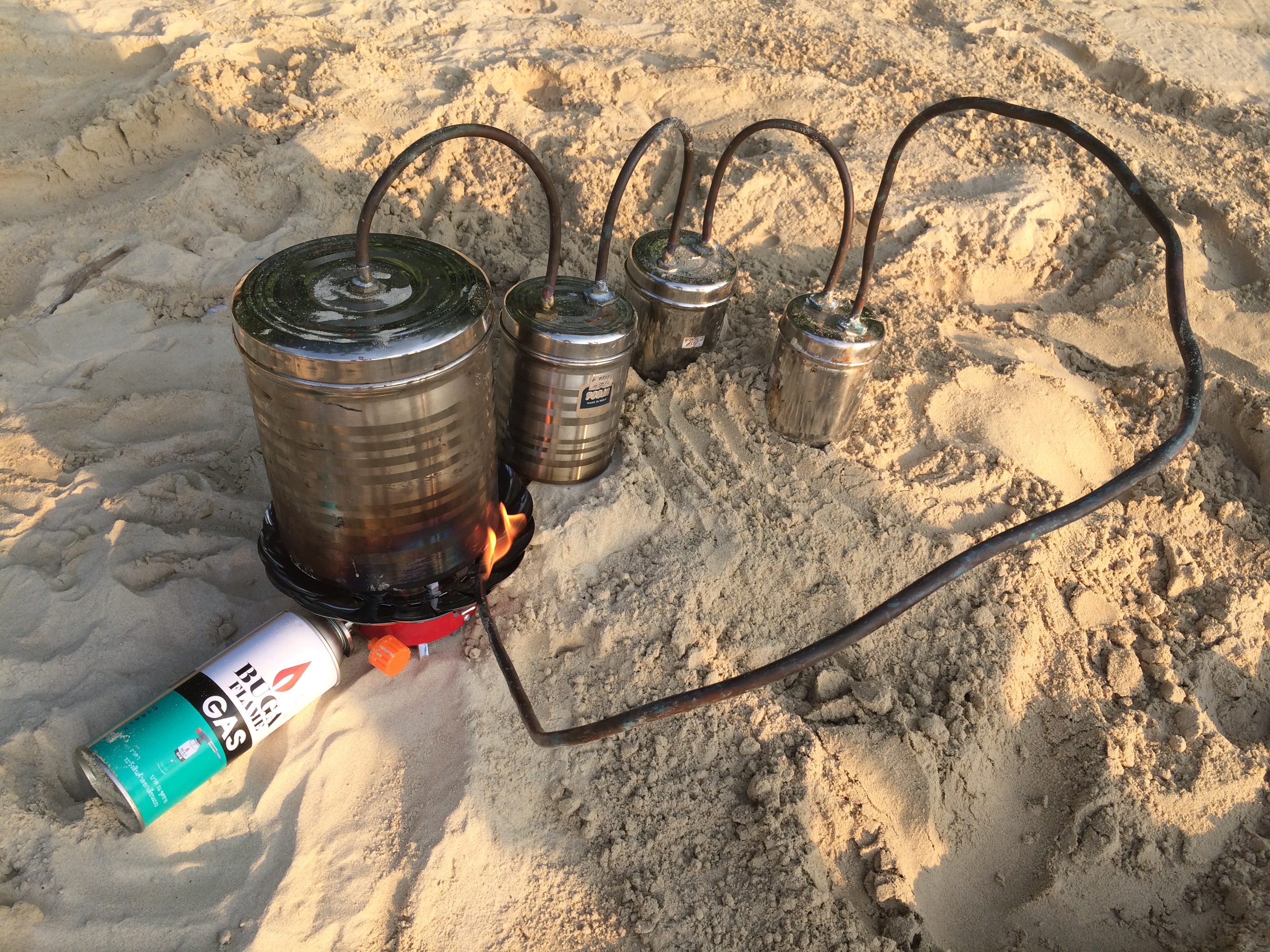
Plastic pyrolysis is a distillation process used to transform plastic waste into fuel. The waste is heated to more than 400°C in a first tank and is transformed into gas. Depending on the condensation (cooling) temperatures of this gas, different types of fuel are obtained: - between 390 and 170°C, condensed gas produces diesel (diesel). - between 210 and 20°C, condensed gas produces gasoline. - below 20°C, there remains non-condensable residual gas which can be used to supply the heating of the process. As part of this prototype, only polypropylene (PP) and/or high density polyethylene (HDPE) and low density polyethylene (LDPE) are used. Note that a majority of polypropylene will give more gasoline, just as a majority of polyethylene will give more diesel. However, it is possible to mix the two.
Description
Produce fuel from plastic
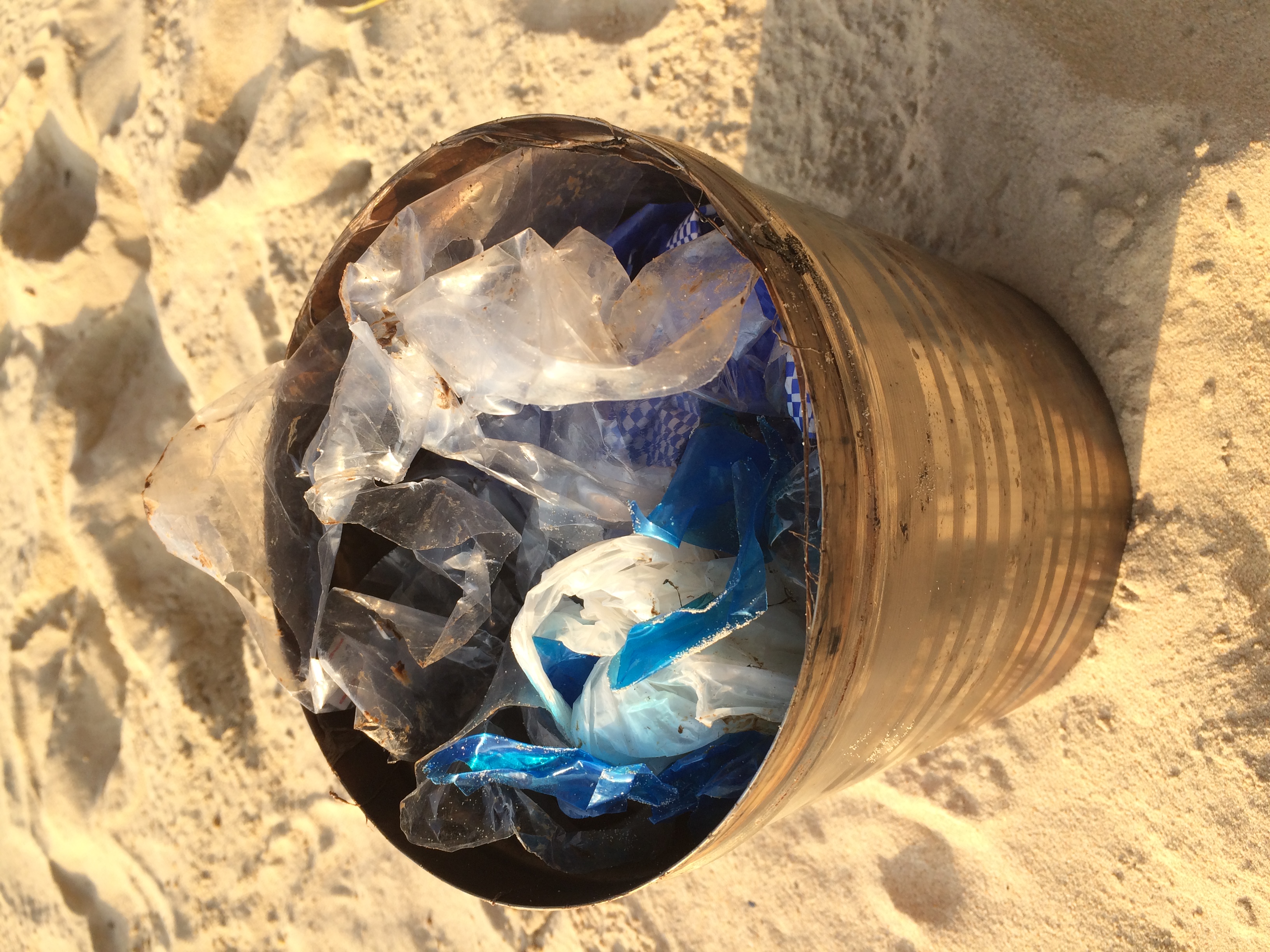
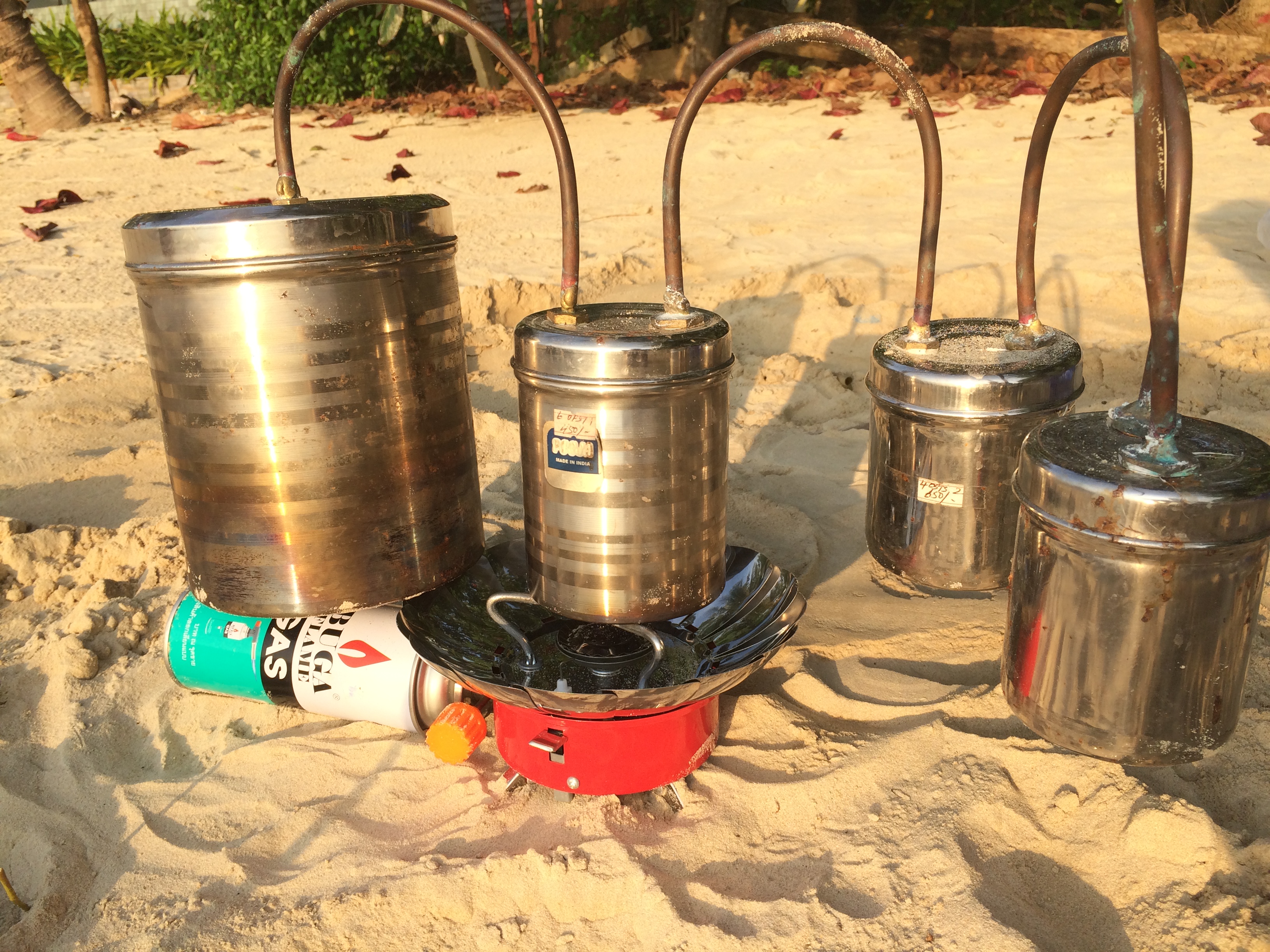
Pack the first tank with plastic
For this test, plastic waste is mostly polypropylene.
Preheat the second tank
Preheating is necessary. It allows for the condensation of gases at high temperature before passing through the last two tanks.
Formation of residual gas
Let plastic waste consume itself until non-condensable gas forms. It comes as an addition to the gas initially used. For this test, 125mL of canister gas has been used, to which has been added residual gas.
Retrieval of fuel
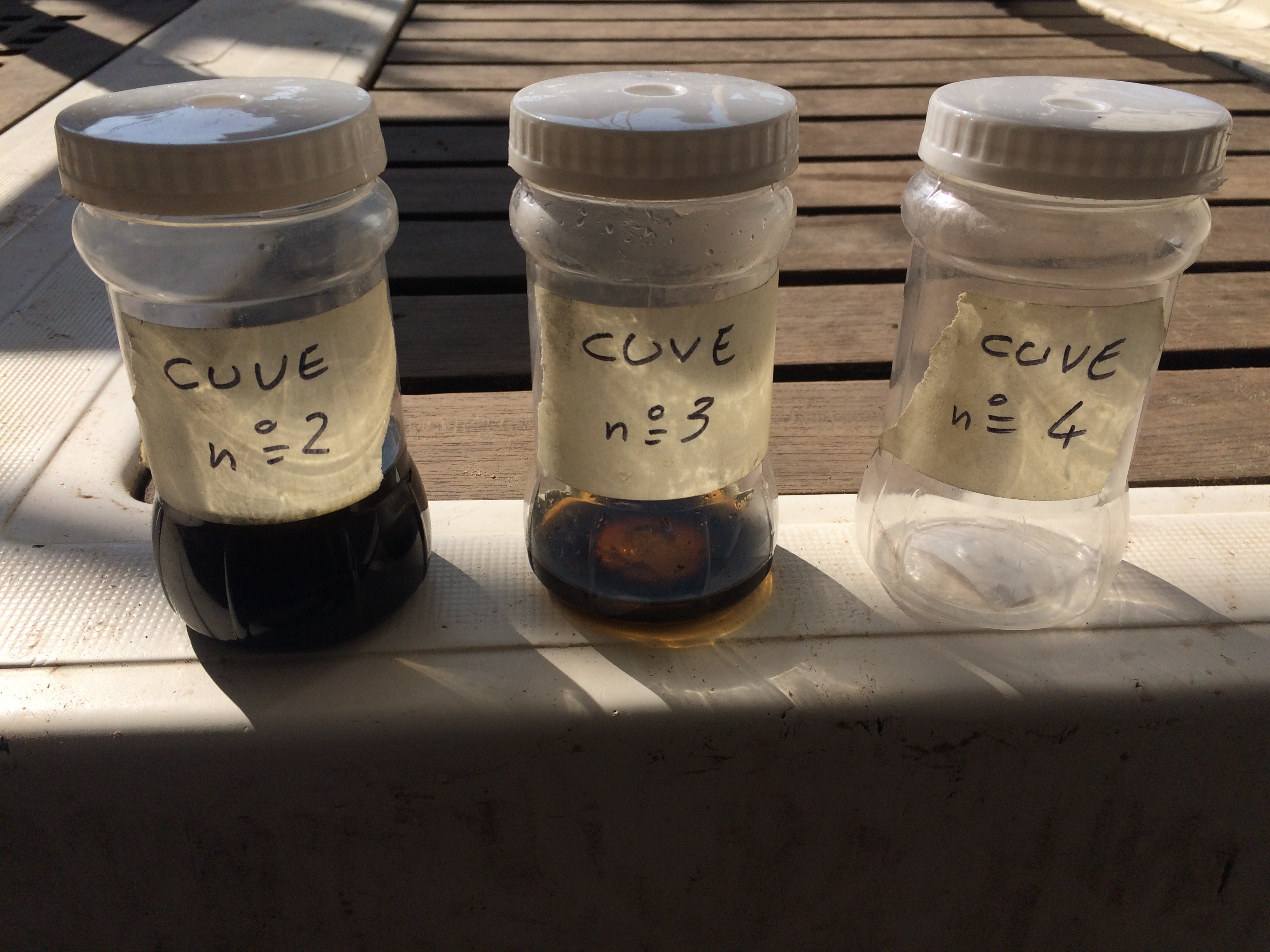
Here, the machine was heated during roughly one hour. Switch off the system and let it cool down before opening the tanks. We get around 125mL of fuel in tank n°2 and 30mL of fuel in tank n°3. *Result of test to confirm in the lab
Got two minutes? Whether you would like to follow this low-tech or not, your answer to this form would help us improve our tutorials. Thank you in advance for your help! Like all the work at Low-tech Lab, this tutorial is collaborative. Don't hesitate to add modifications that seem important, and share your results in the comments.
← Retour au répertoire — Fiche originale sur wiki.lowtechlab.org ↗