Shampoing sec/en
Tuto — Difficulté : Tres facile — Durée : 1 minute(s) — Coût : 0 EUR — Mise à jour : 20 juin 2024 — 24 révision(s) — Licence : Attribution (CC BY)
Aires : Hygiene — Contributeurs : EKO!
Fiche reformulée à partir du wiki Low-tech Lab : voir la fiche originale ↗
Versions de cette fiche : AR EN ES FR
Introduction
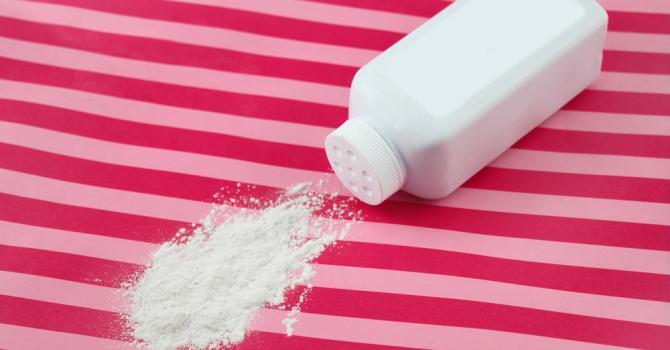
Dry shampoo was relatively unknown before big cosmetic brands like Garnier and others decided to make it a major asset in their cosmetic sales. In fact, that's how I discovered its existence! The promise of being able to quickly and discreetly clean your hair without water at any time, in just a few minutes, seems incredible but true, and can be done without spending a penny more than our kitchen shopping! On average, a bottle of industrial dry shampoo costs around 5€, but if you look at the ingredients you soon realise that you're buying gas, a bit of perfume and starch. Starch!! So let's take a look at our kitchen cupboards: starch is found in flour (any kind of flour) as well as maïzena (corn flour) or potato starch (very rich in starch, potato flour). If you look back at our recipes and tips for cleaning greasy stains, you'll find a wider range of powders that can be used in dry shampoo: clays, diatomaceous earth, chalk, talcum powder, blanc de Meudon, etc. You can even use very finely powdered bicarbonate for food or cosmetics (but NOT for household use), but this can be a little more irritating to the scalp. And all these powders are 100% natural, normally non-allergenic and 100% biodegradable. To adapt the base powder to your hair colour, there are several options, the simplest being to mix it with coloured spices (brings colour and a delicate fragrance!).
Description
Here are a number of dry shampoo recipes using 100% natural ingredients that you'll always have to hand in your kitchen or bathroom. Very economical and very effective, these recipes are suitable for all hair types, don't cause allergies and even have beauty benefits (volume, coverage of dark roots, etc.).
Production
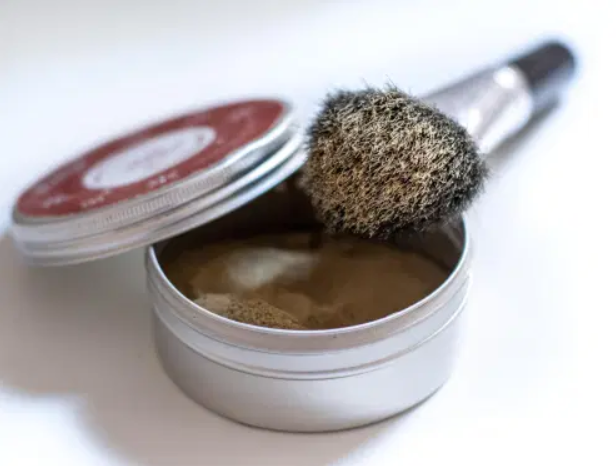
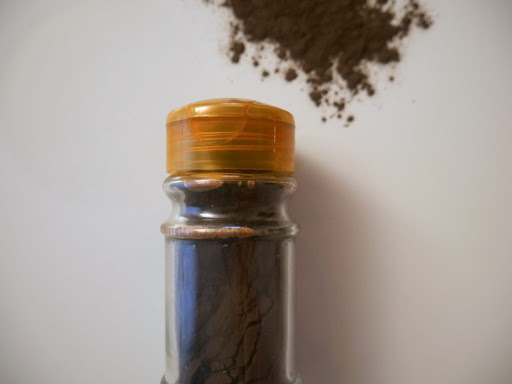
* Place one or a mixture of the basic powders listed above in your small container. * If you need to adapt the colour, mix with one or more spices to obtain the desired colour. * Place in the final container . If you really want to use essential oils, bear in mind that they are not perfumes, but medicinal concentrates of powerful plants (check the recommendations for use and test your skin reaction before use in a product) which require a significant amount of plant resources and energy. If possible, use local essential oils.
Preservation
It is recommended to preserve the powder in an airtight jar, but this is not obligatory. Simply shake well if any lumps have formed due to humidity. If you have food moths in your home, use an airtight jar and/or powders not made from flour.
Use
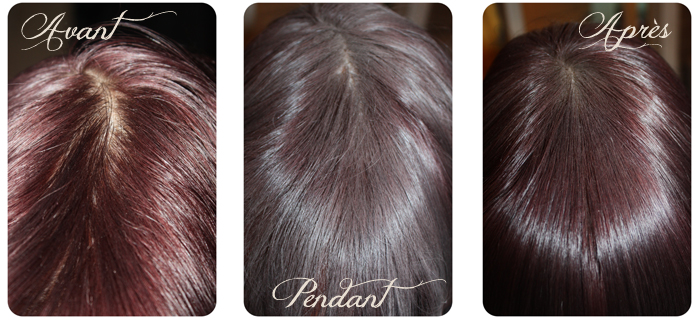
Instructions for using : # Sprinkle the dry shampoo in small doses at the roots, staggering the strands zone by zone if you want to wash the whole head. # Massage into the scalp to homogenise the powder and bring it into contact with the sebum. # Wait between 3 minutes (express effect) and overnight (deep effect). # Shake, rub and brush the hair to remove the excess powder and limit the dull/matt effect. # Live your life with your hair blowing in the wind! Bonus : using a dry shampoo adds volume and texture to your hair + covers the roots to soften the look of colour-treated hair + neutral or fragrant scent depending on the powders used How effective is it? : The powders will absorb excess sebum from the hair and remove it when you brush/rub your hair. The effect depends on the nature of your hair. If it's oily or very thick, a few hours. Otherwise, the effect may be visible for up to 48 hours.
← Retour au répertoire — Fiche originale sur wiki.lowtechlab.org ↗