Moustiquaire sur mesure/en
Tuto — Difficulté : Facile — Durée : 6 hour(s) — Coût : 7 EUR — Mise à jour : 24 août 2024 — 56 révision(s) — Licence : Attribution (CC BY)
Aires : Habitat Sante — Contributeurs : EKO!, FuzzyBot
Fiche reformulée à partir du wiki Low-tech Lab : voir la fiche originale ↗
Versions de cette fiche : EN ES FR
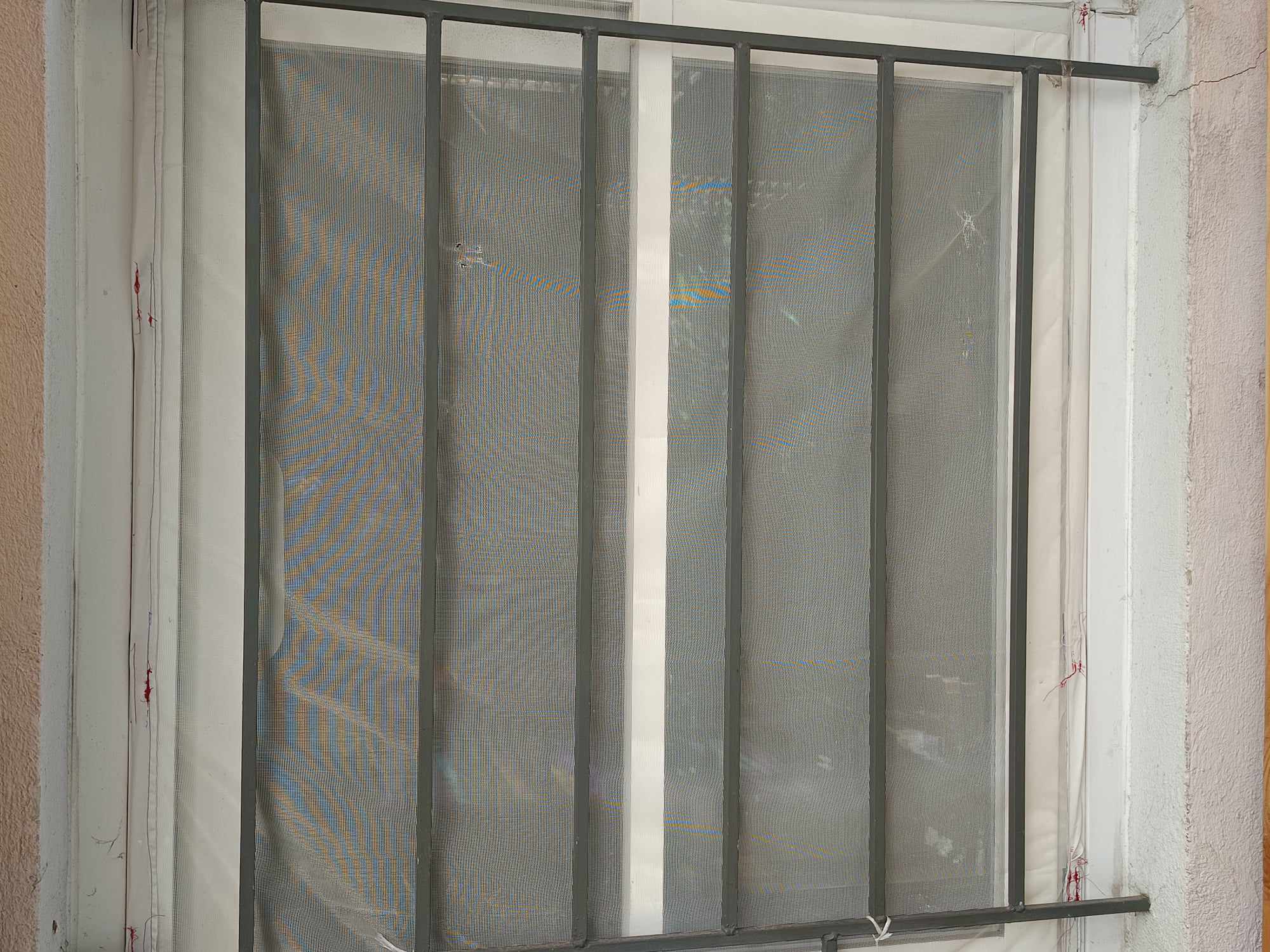
Introduction
Mosquitoes are present mainly in summer, and prefer hot, humid climates. Different species of mosquitoes appear depending on the region, and the most famous: the tiger mosquito, is present almost everywhere in the world. It's hard to avoid, because they are attracted by everything our bodies emit: the CO2 from our breath, our heat, and our body odours (sweat, breath, etc.). If we recommend protecting ourselves against them, it's because mosquitoes can be extremely dangerous as vectors of diseases, some serious, others fatal (yellow fever, chikungunya, dengue fever, etc.). They are most common in warm countries close to the hemisphere: Africa, Central and South America and South Asia. .
Description
Had enough of mosquitoes? We'll show you step-by-step how to make a mosquito net to fit your window size and keep them out. It's easy to use and can be assembled and dismantled in less than 30 seconds.
Window measurements
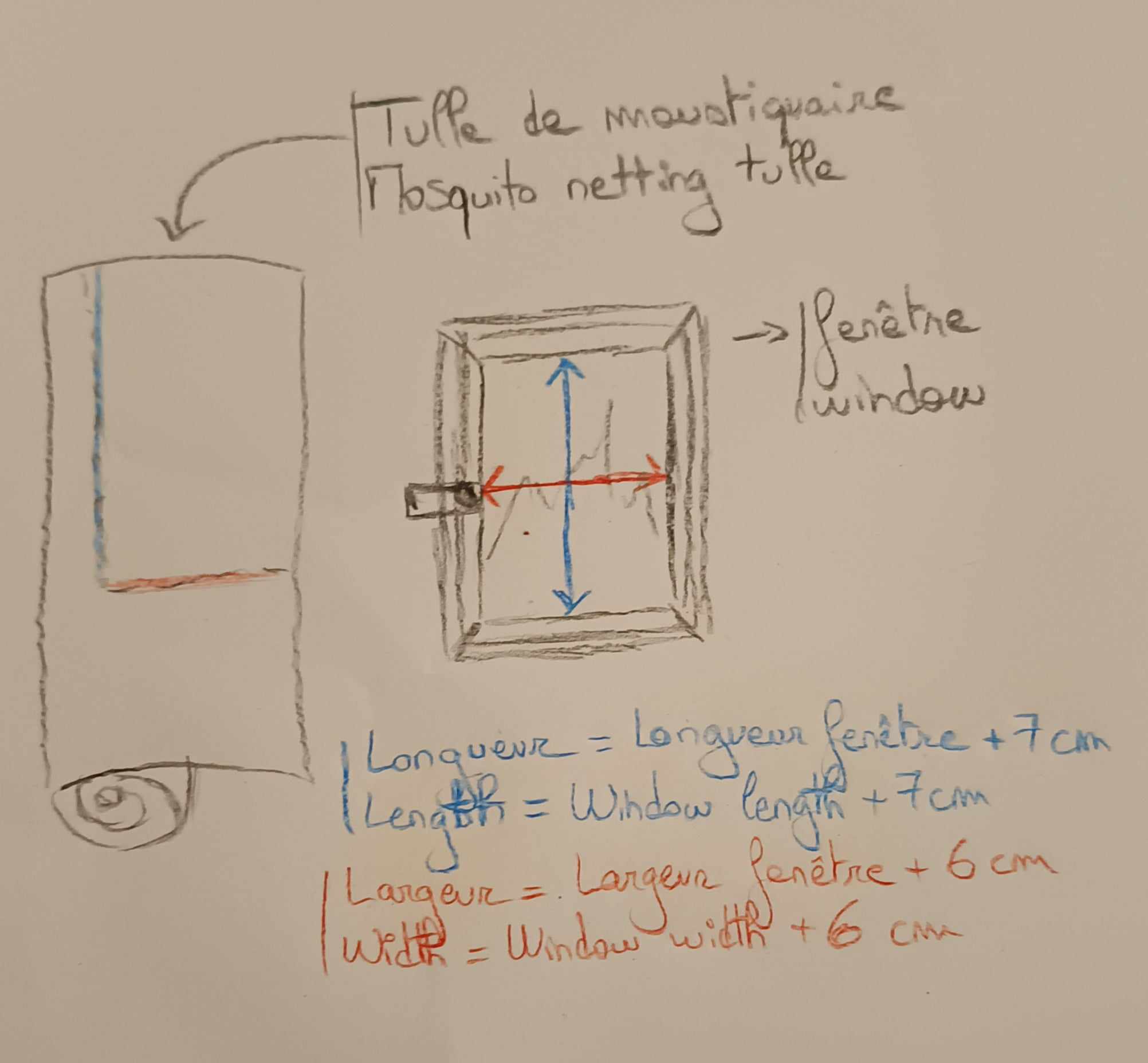
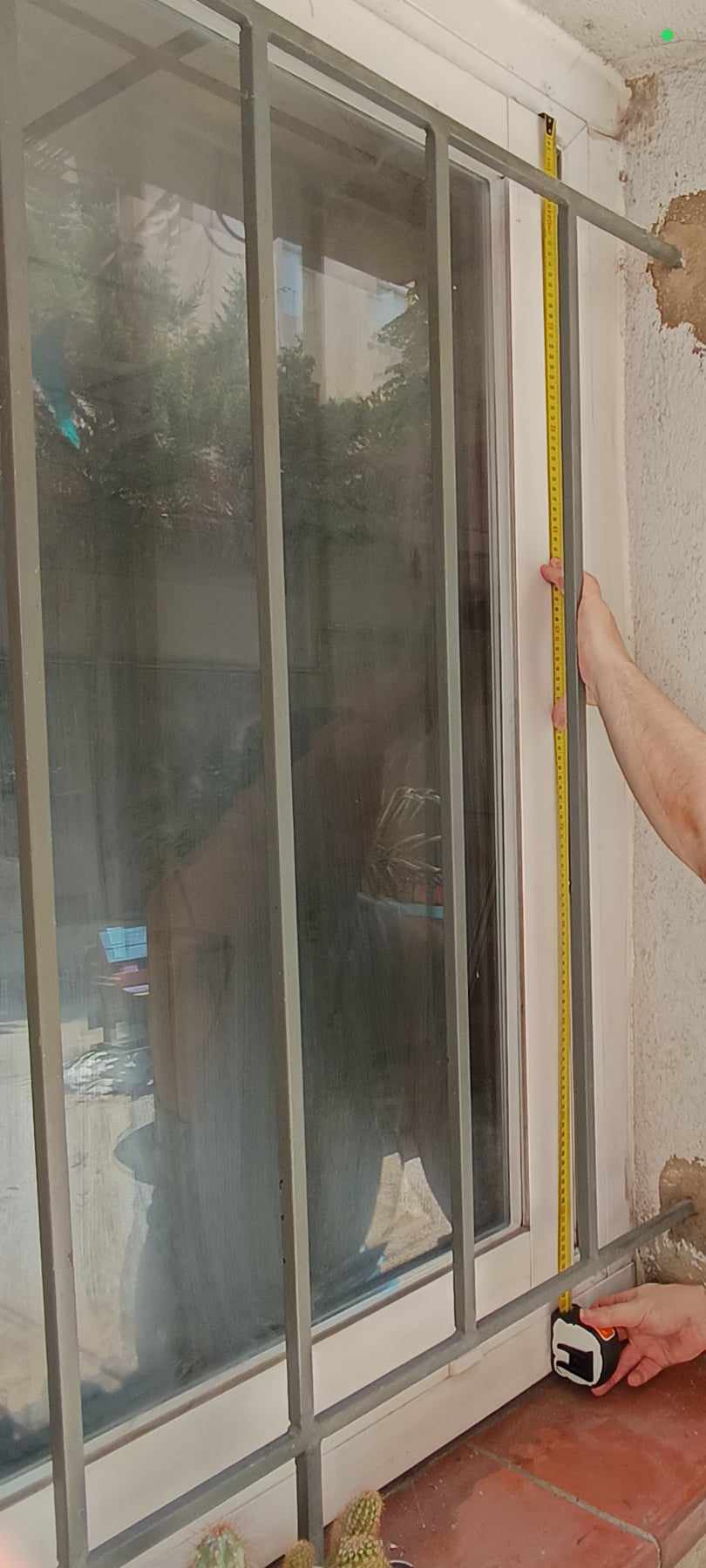
First of all, you need to measure the size of your window. You need to measure the empty space, i.e. the smallest opening, where you can put your hand. To do this, use a tape measure to measure the height/length and width of the window, as shown in the diagram.
The cut-out: Mosquito netting tulle
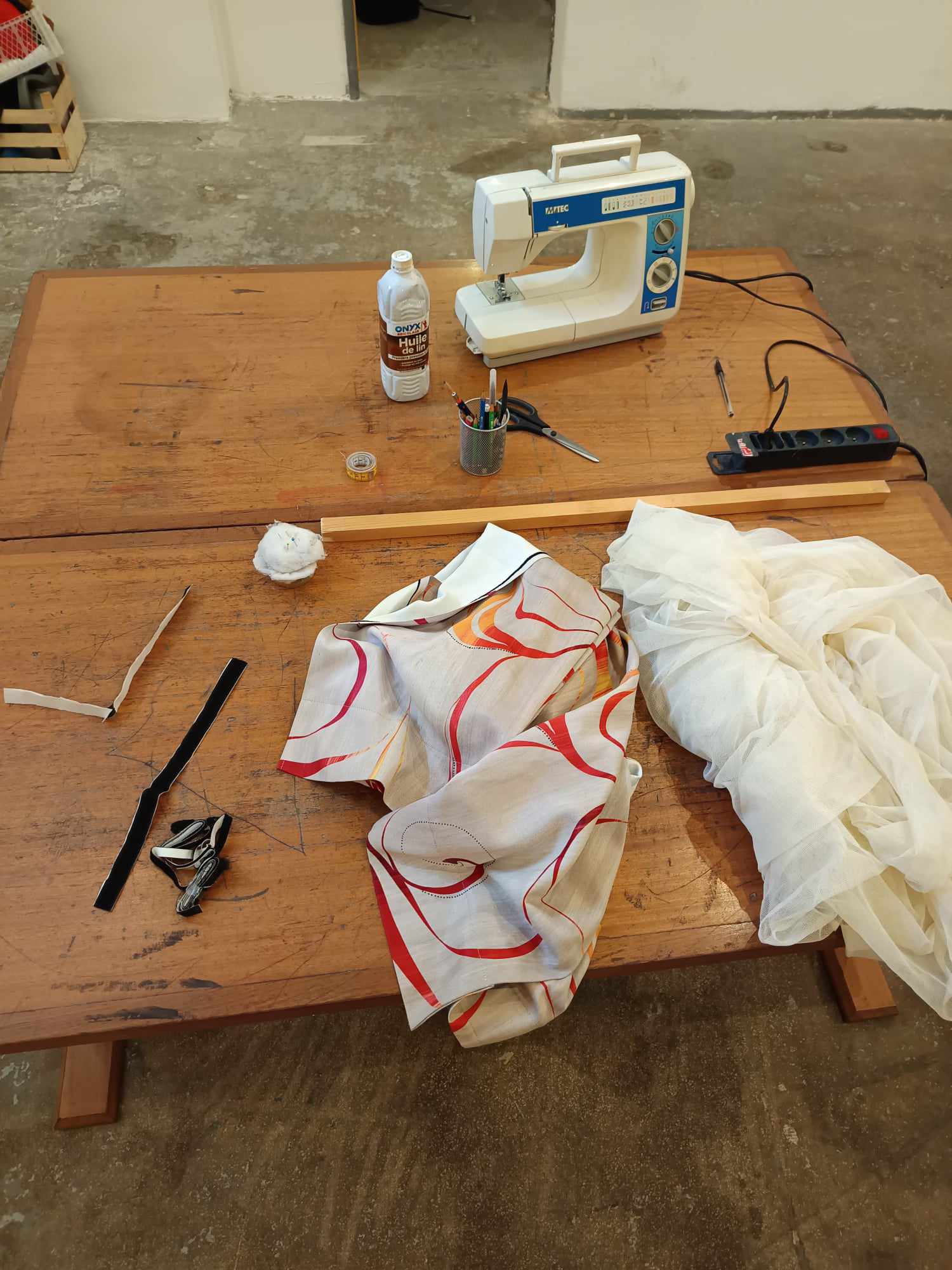
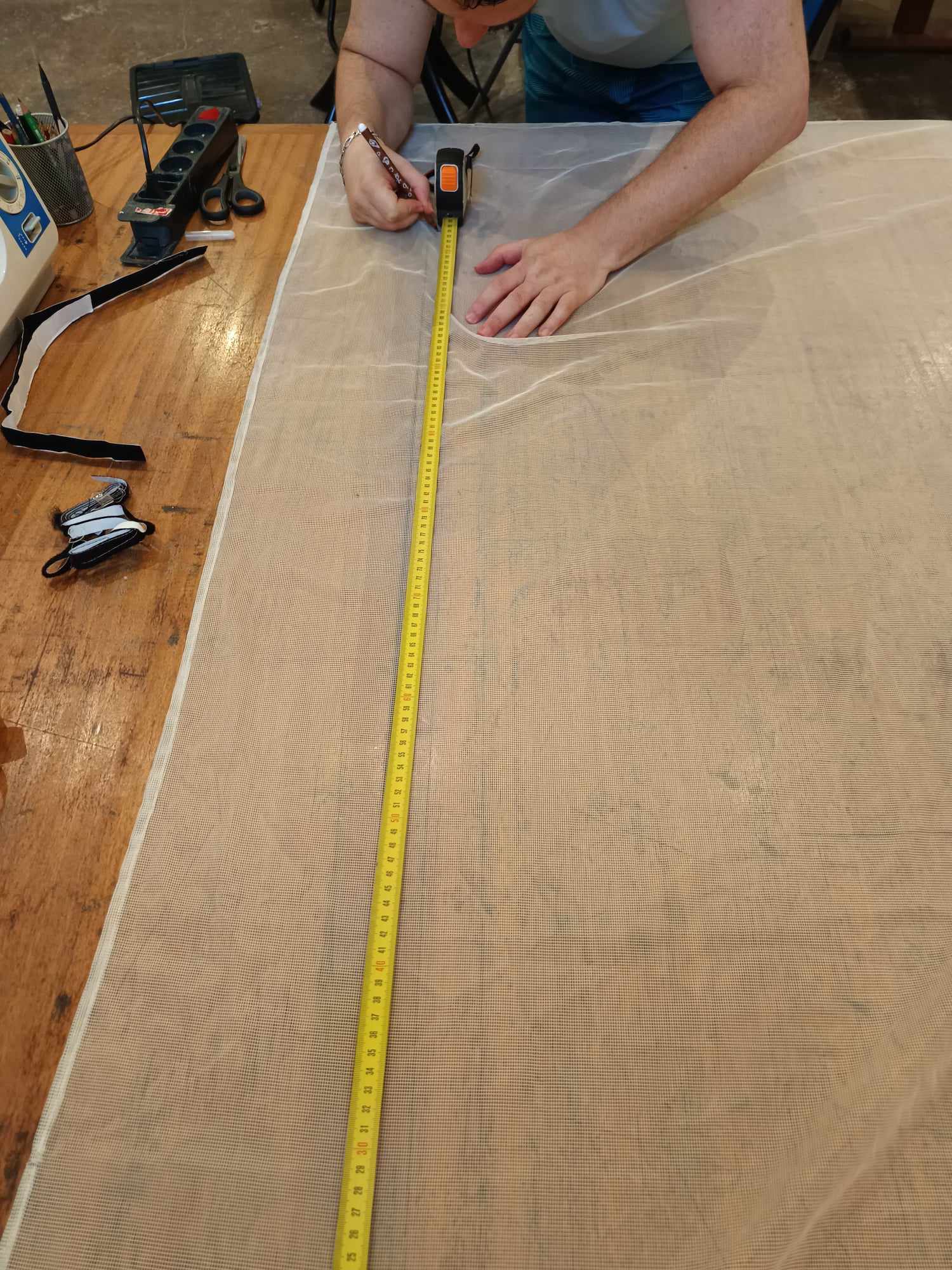
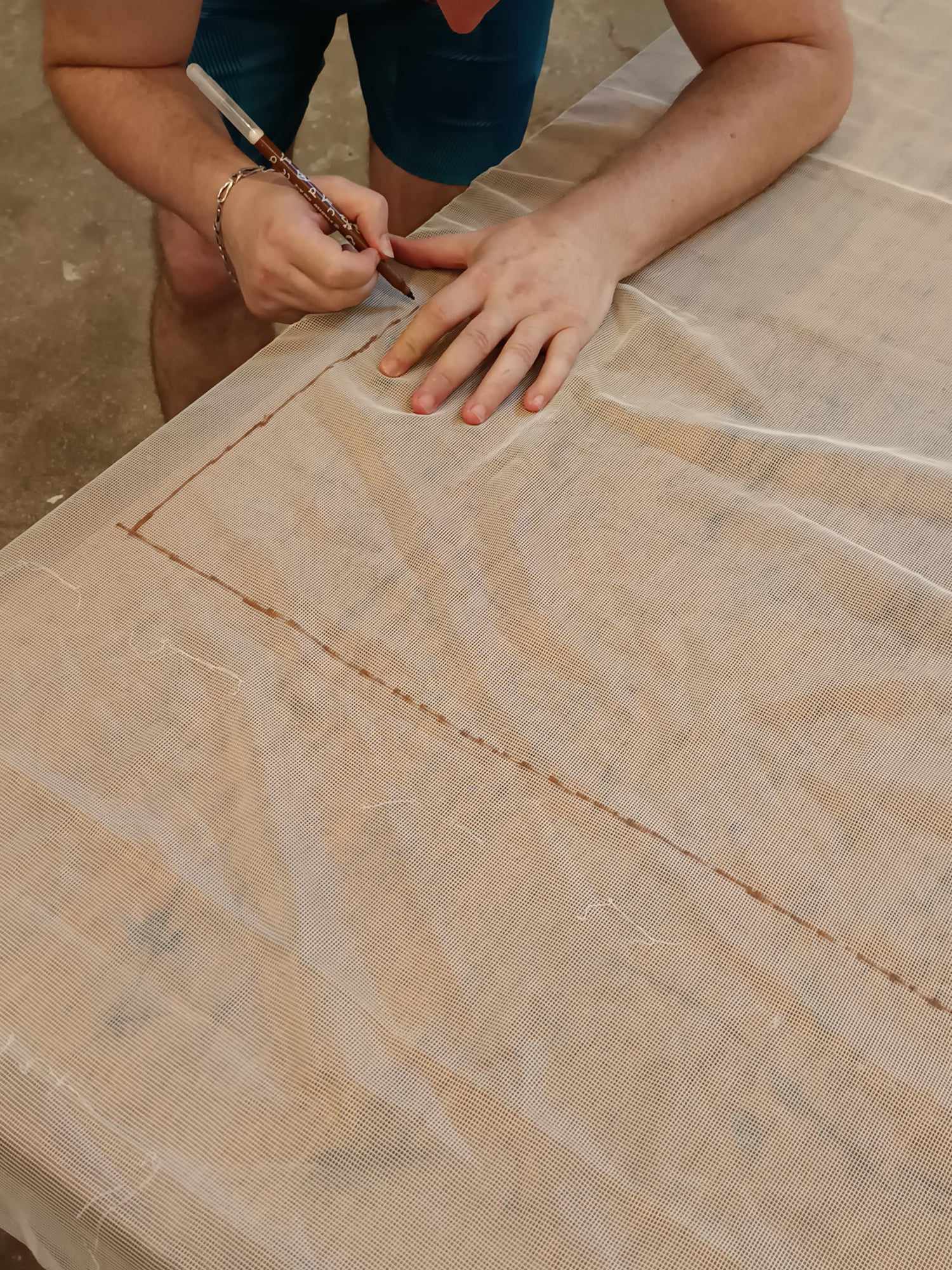
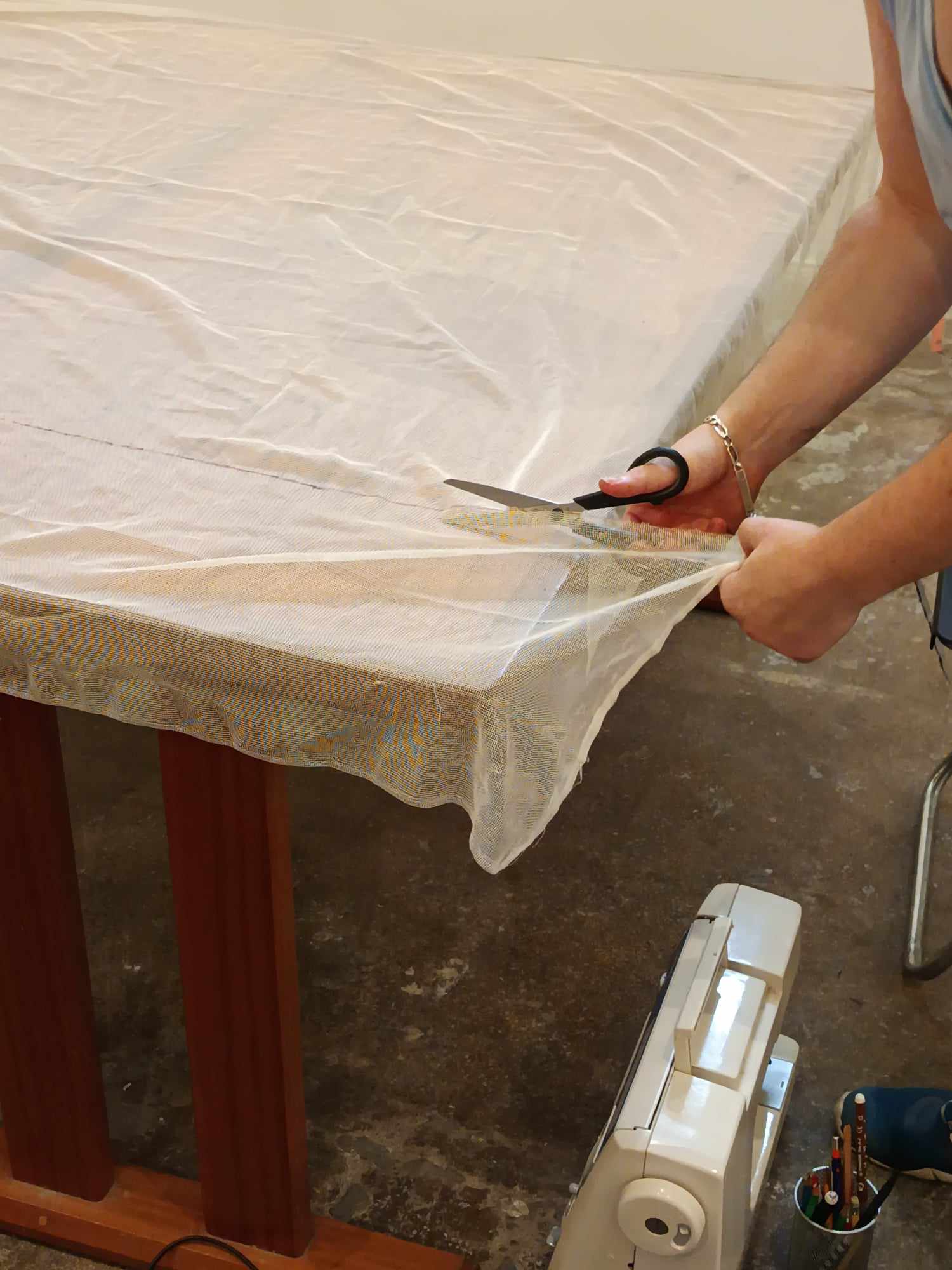
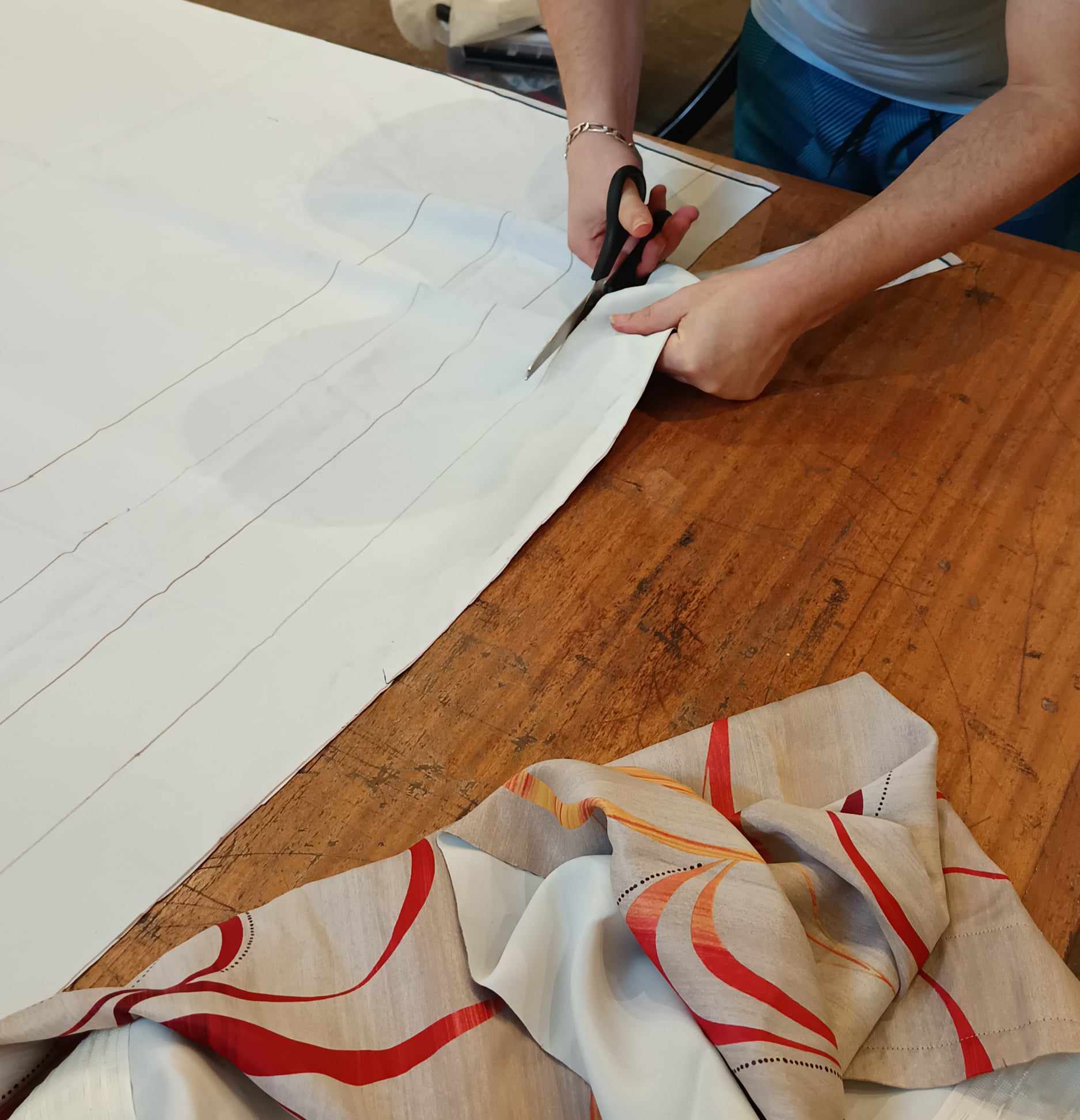
Using a pencil and a ruler/metre, trace a rectangle on the tulle as follows: - Width = Width of window + 6 cm - Length = Window length/height + 7 cm Cut out the rectangle using the scissors.
Cutting: Fabric strips
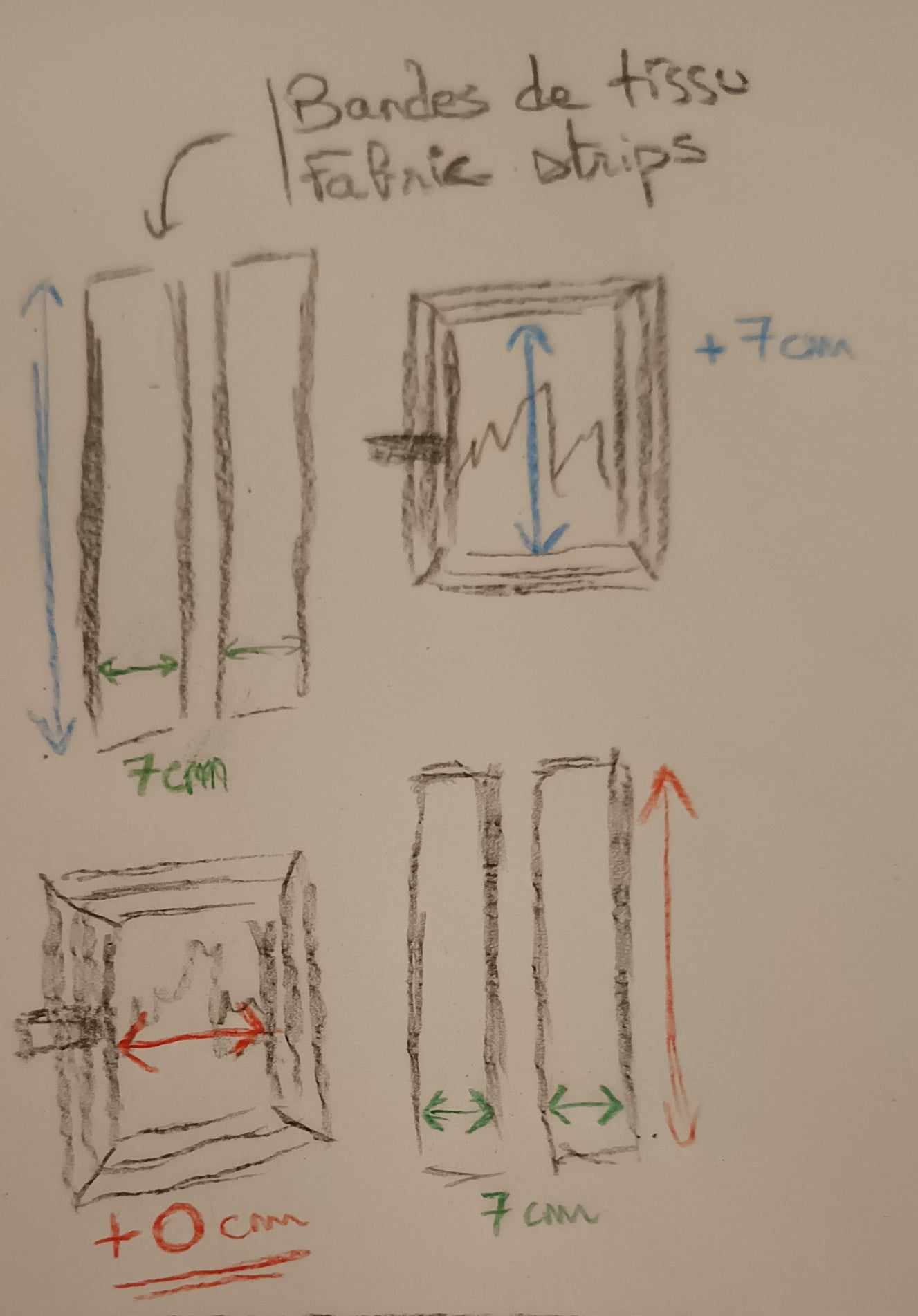
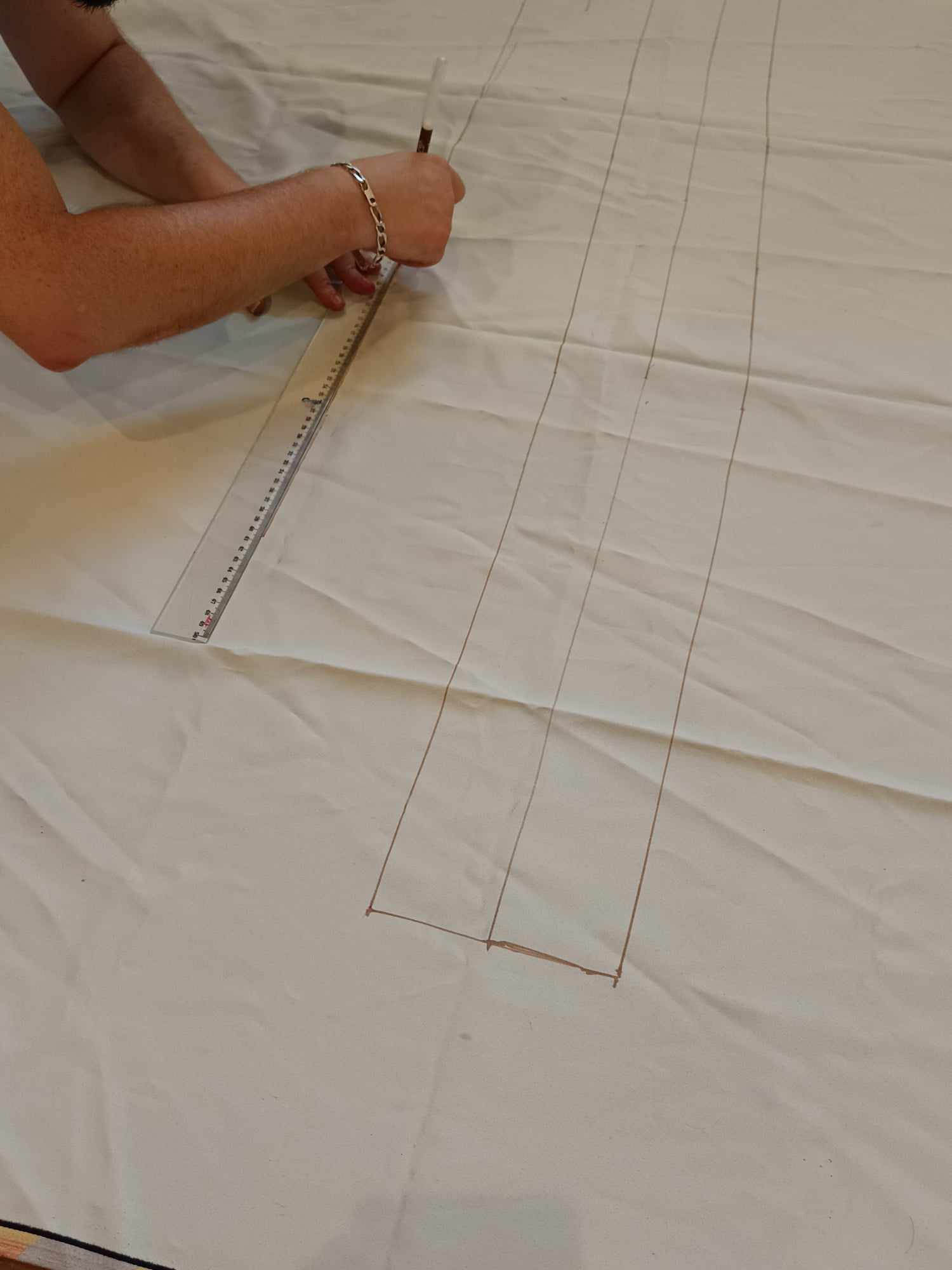
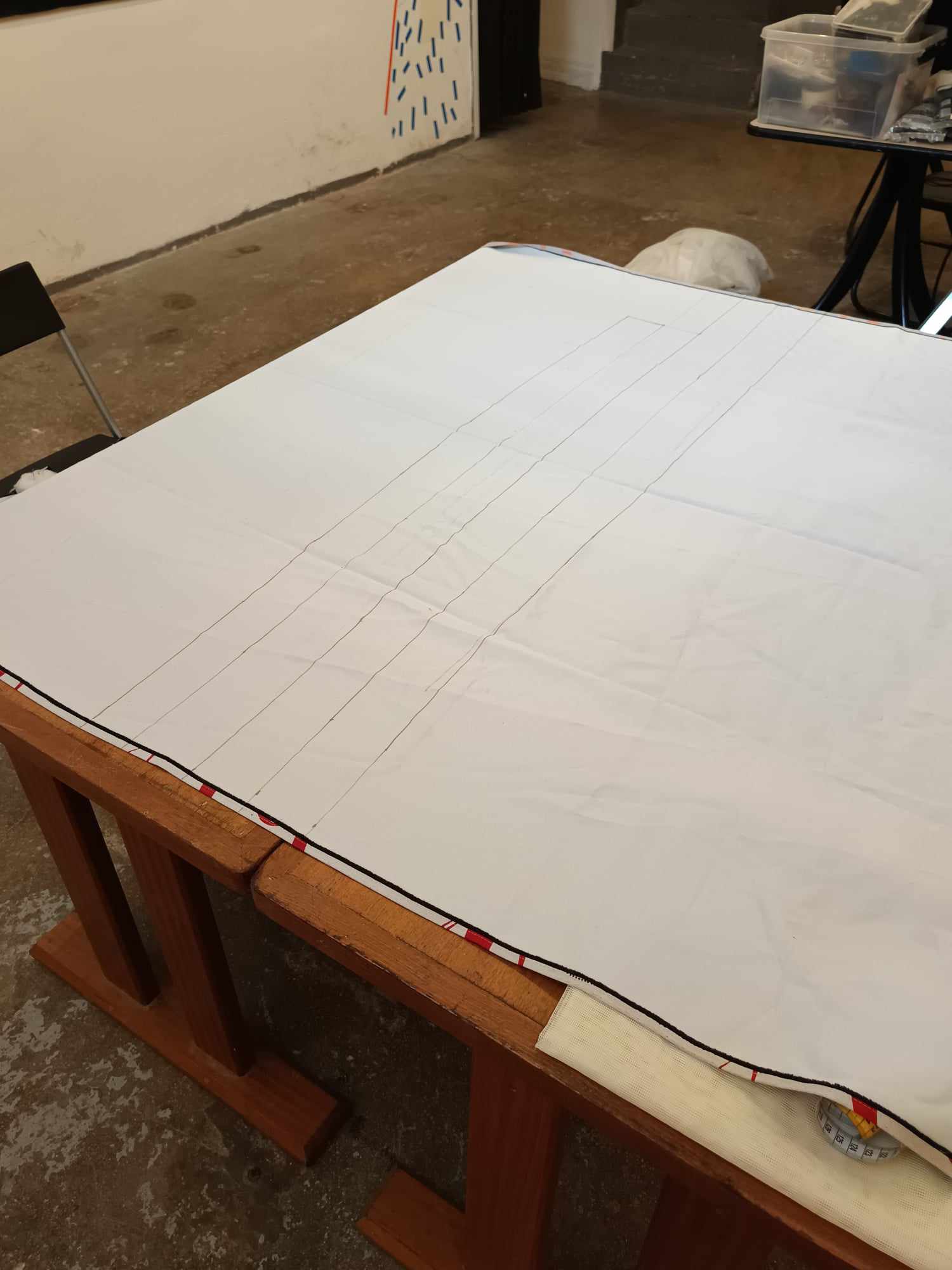
Using the pencil and ruler/metre, trace 4 strips in the fabric: *2 strips for the height of the window: - Width = 7 cm - Length = Window length/height + 7 cm *2 strips for the width of the window: - Width = 7 cm - Length = Width of window
Cutting: Velcro
Cut each strip of Velcro (soft and hooked) into 7 pieces of 14 cm. They will be glued in strategic places so that the mosquito net is taut.
The sewing
=====Tulle + Fabrics ===== Start by pinning the tulle and fabric strips together. To do this, hem each side of the mosquito netting tulle with the fabric, folding the strip over to make a pretty hem. All you have to do is sew the tulle to the fabric, along 2 lines, to secure the whole thing. =====Tulle/Fabric + Velcro ===== The Velcro is then placed on the side opposite the hem (see diagram). It should be placed on the 4 corners of the screen and in the centre of the left, right and top sides. You can then sew the Velcro along 2 lines to secure it.
Stapling the wooden strip
Place the wooden strip on the side that represents the bottom of your mosquito net (the one without the Velcro in the centre). It should be flush with the fabric. You can then use the wall stapler to fix this strip along the entire length of the bottom of the screen (1 staple every 10 cm is sufficient).
The set up
First, wipe the outside edge of your window with a sponge (it needs to be clean so that the Velcro hooks stick well). Next, stick the Velcro hook onto the outer edge of the window (see diagram). To do this, peel off the protective tape from the Velcro and stick it on. . Position the cut strips as shown in the photo, so that they face the soft Velcro strips once the mosquito net is in place. Finally, attach the mosquito net to the Velcro hook and you're done!

← Retour au répertoire — Fiche originale sur wiki.lowtechlab.org ↗