Rideau thermique - prototype 2/en
Prototype — Difficulté : Facile — Durée : 4 hour(s) — Coût : 1 EUR — Mise à jour : 10 février 2026 — 26 révision(s) — Licence : Attribution (CC BY)
Aires : Habitat — Contributeurs : FuzzyBot, EKO!
Fiche reformulée à partir du wiki Low-tech Lab : voir la fiche originale ↗
Versions de cette fiche : AR EN ES FR
Introduction
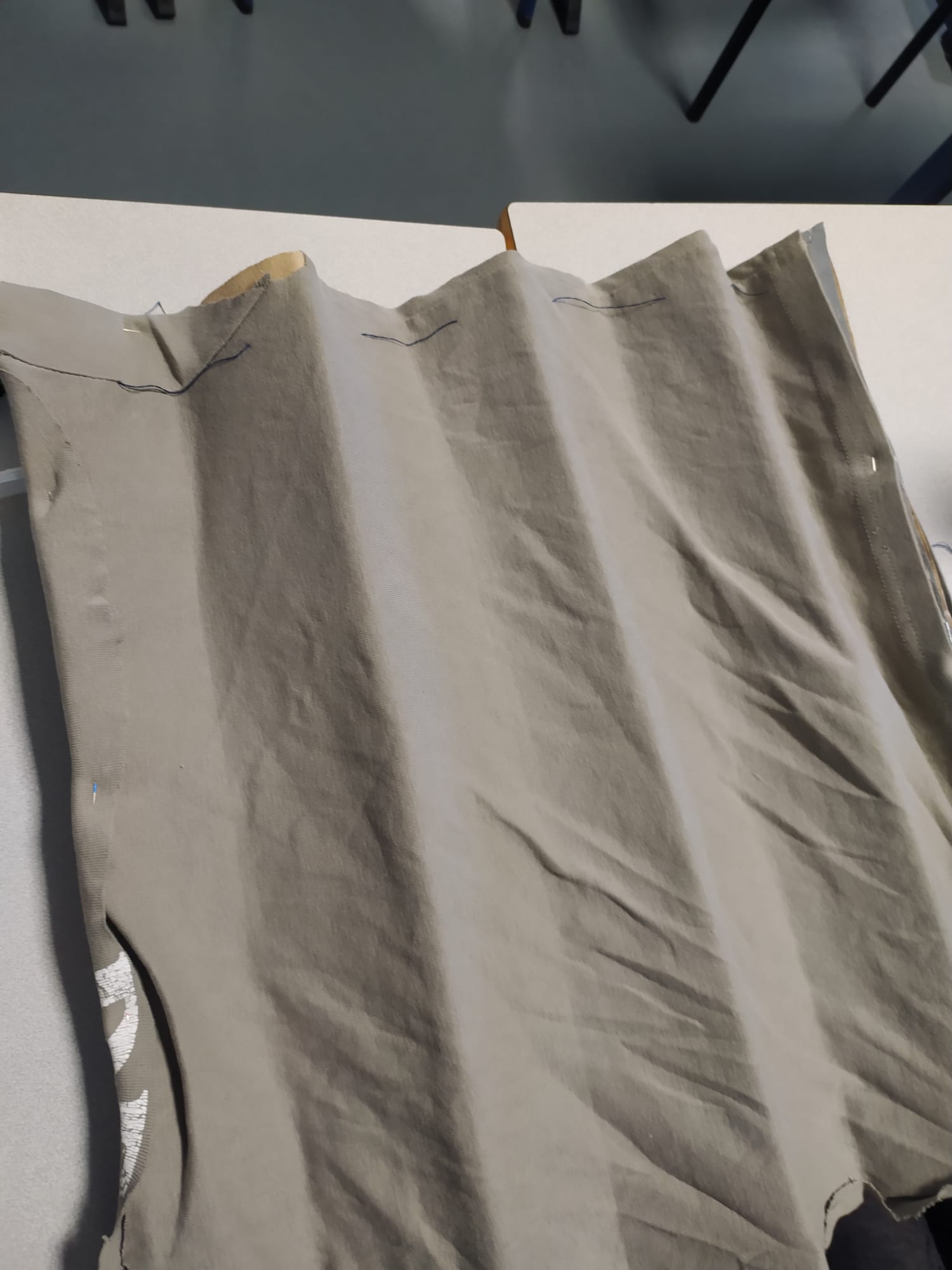
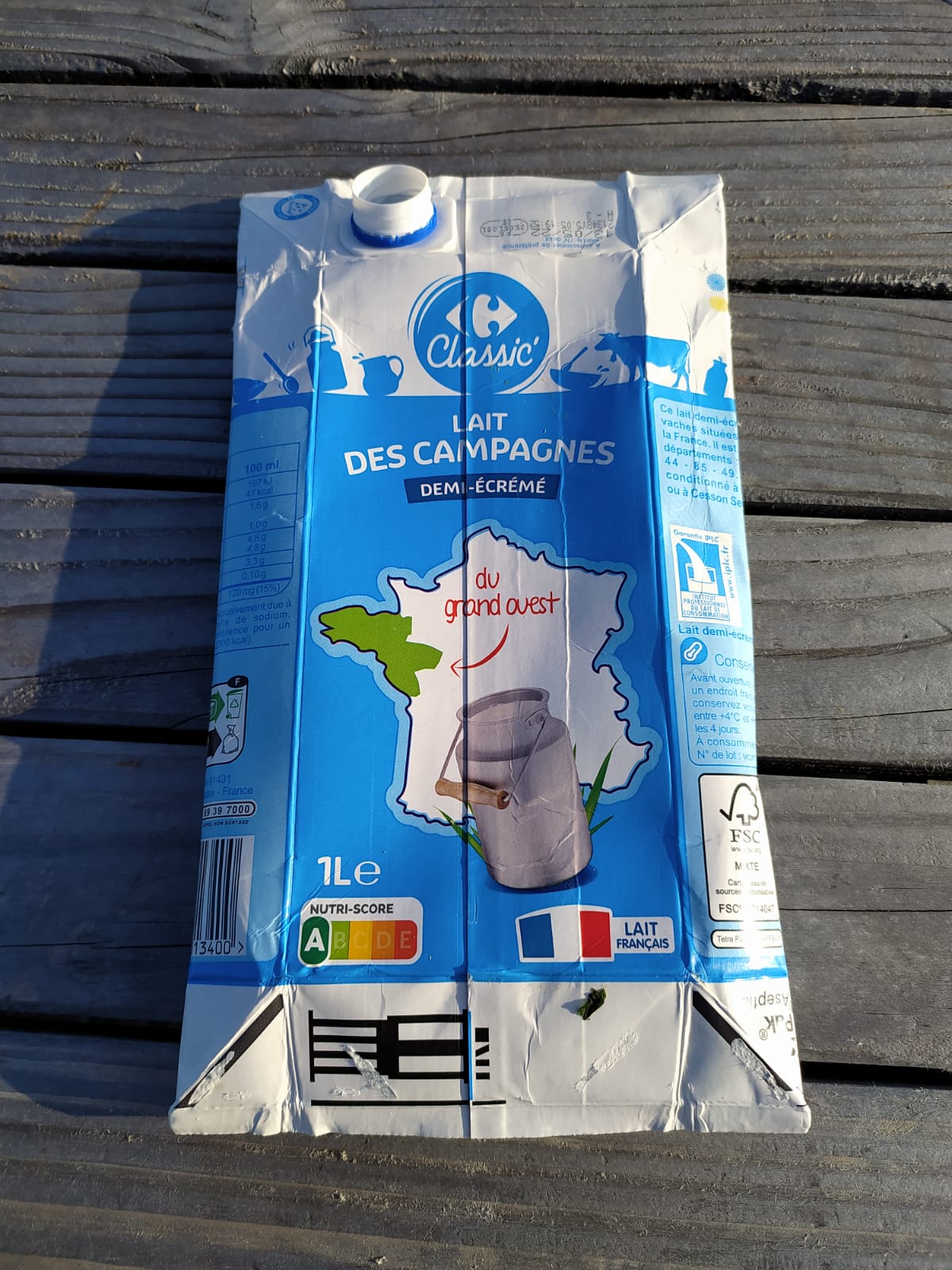
To create the Thermal Curtain, we have chosen materials with the following properties: -Limits incoming draughts Inert, non-toxic, tear-proof material. -Thermal insulation. -Good aesthetic level. -economic. The milk carton contains these materials: *Polyethylene: (Plastic) **can catch fire at 260°C **Non-toxic and tear-proof **chemically inert material (does not react in any chemical or biological way) *Aluminium: **thermal insulation. *Cardboard and plastic limit wind currents; fewer pores than fabric. What's more, milk cartons are economical and we recycle. Fabric has been added for aesthetic appeal and to improve heat retention.
Description
A prototype for making a thermal curtain using milk cartons, which is mainly made up of: -75% cardboard -21% polyethylene (plastic). -4% aluminium.
Preparation of Milk carton
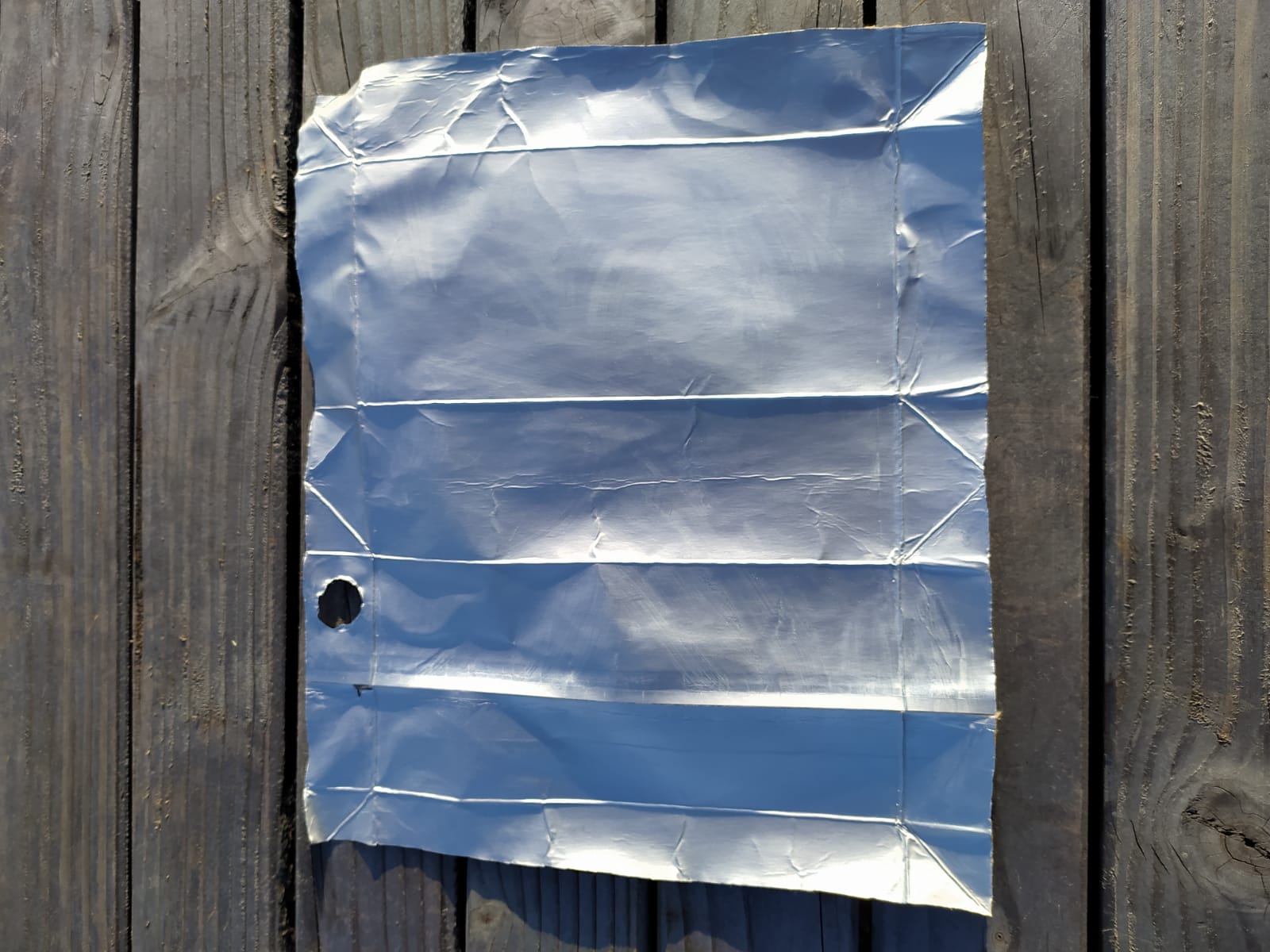
*Clean the remaining milk cartons thoroughly. *Flatten the bricks so that there are no creases. *Cut the brick as shown in the photo. *Remove the outer layer of the brick so that a little cardboard remains (be careful not to tear the brick).
Grouping together the different cartons
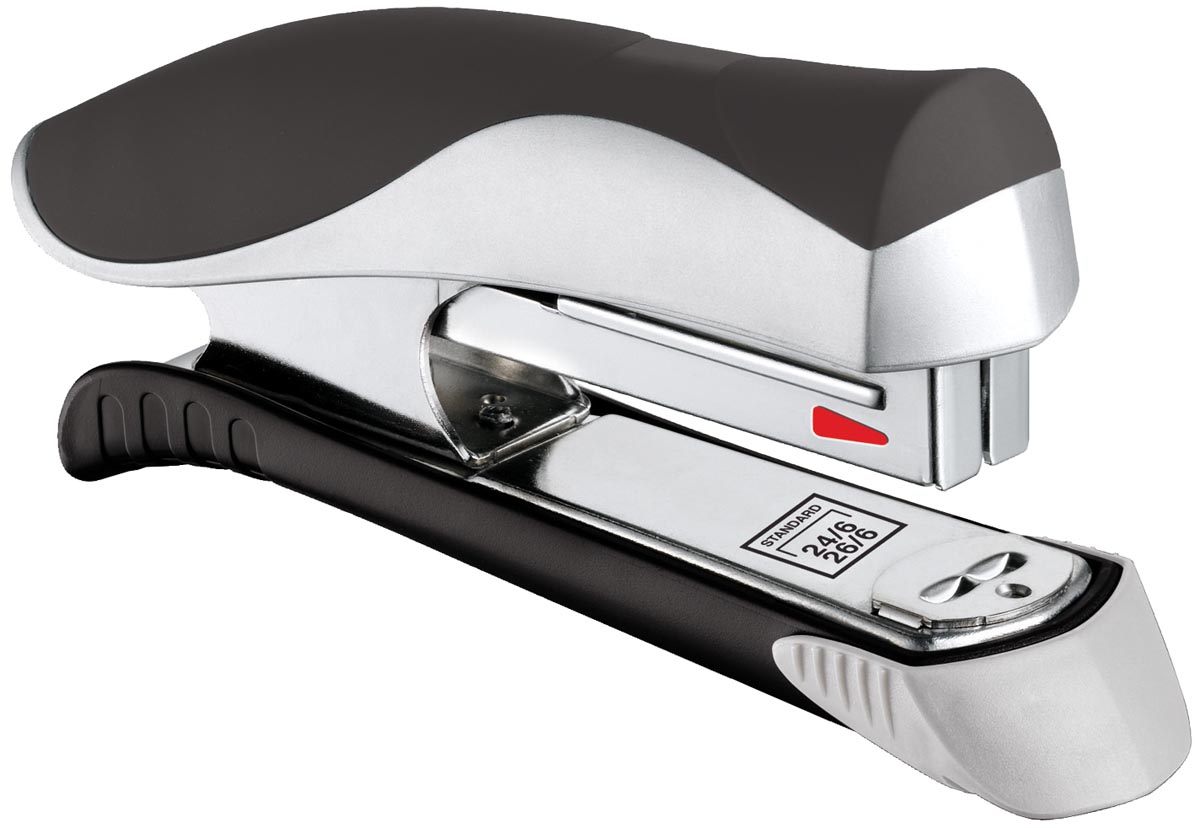
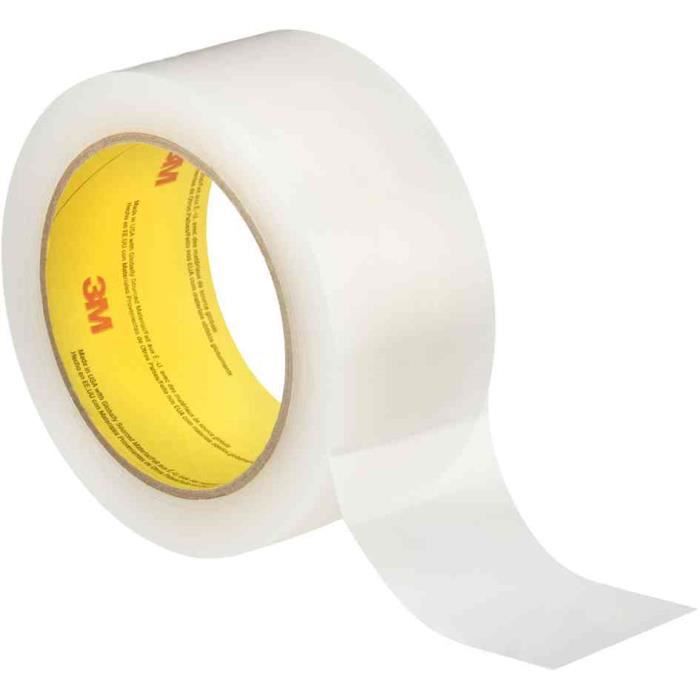
*Attach the different cartons (using scotch tape). *Staple any parts that don't fit properly.
Adding fabric
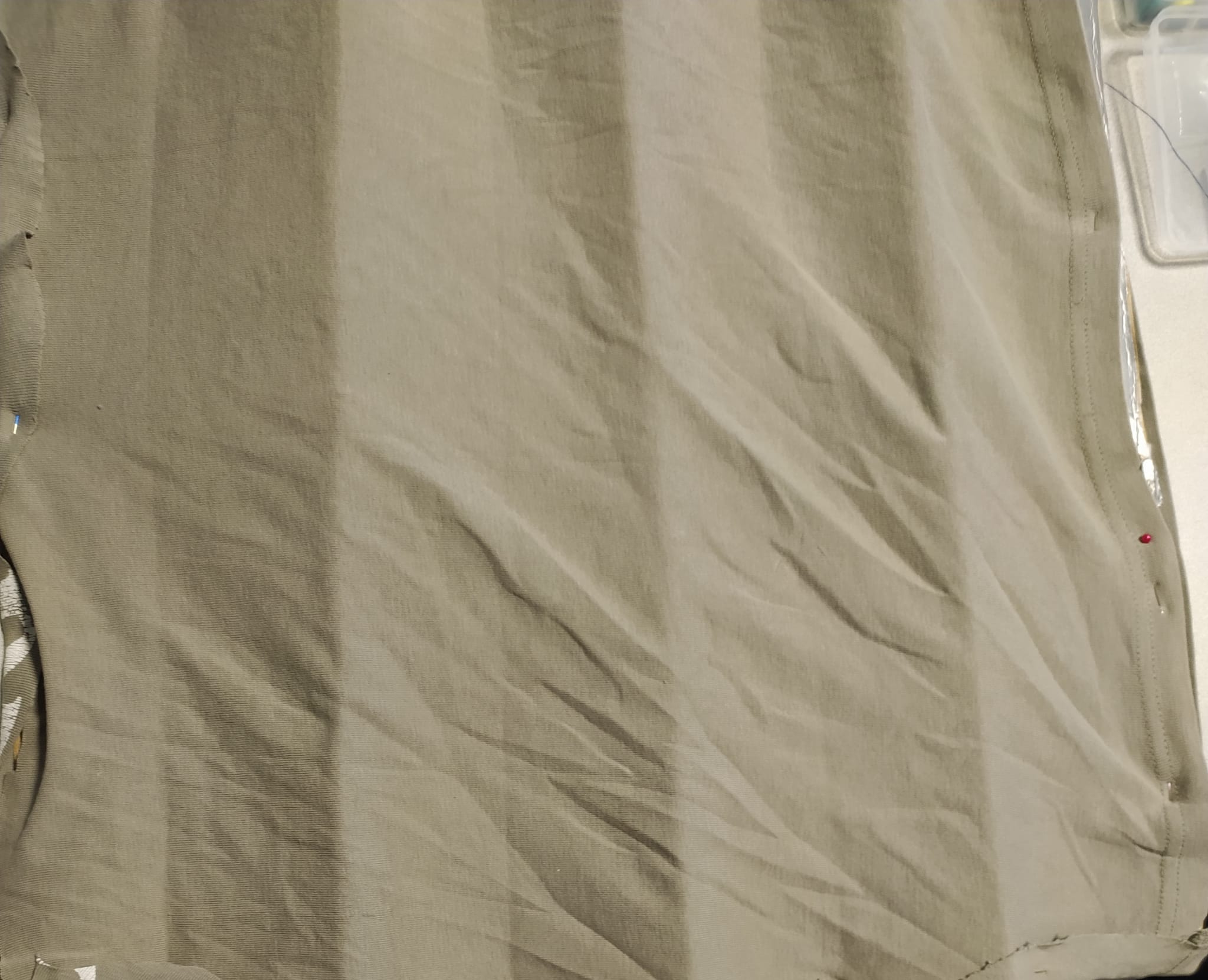
You can add clothes to be thrown away or torn fabrics. *For aesthetics, you can add a decorative fabric to wrap the bricks and also to increase efficiency.
Addition of wire for closure
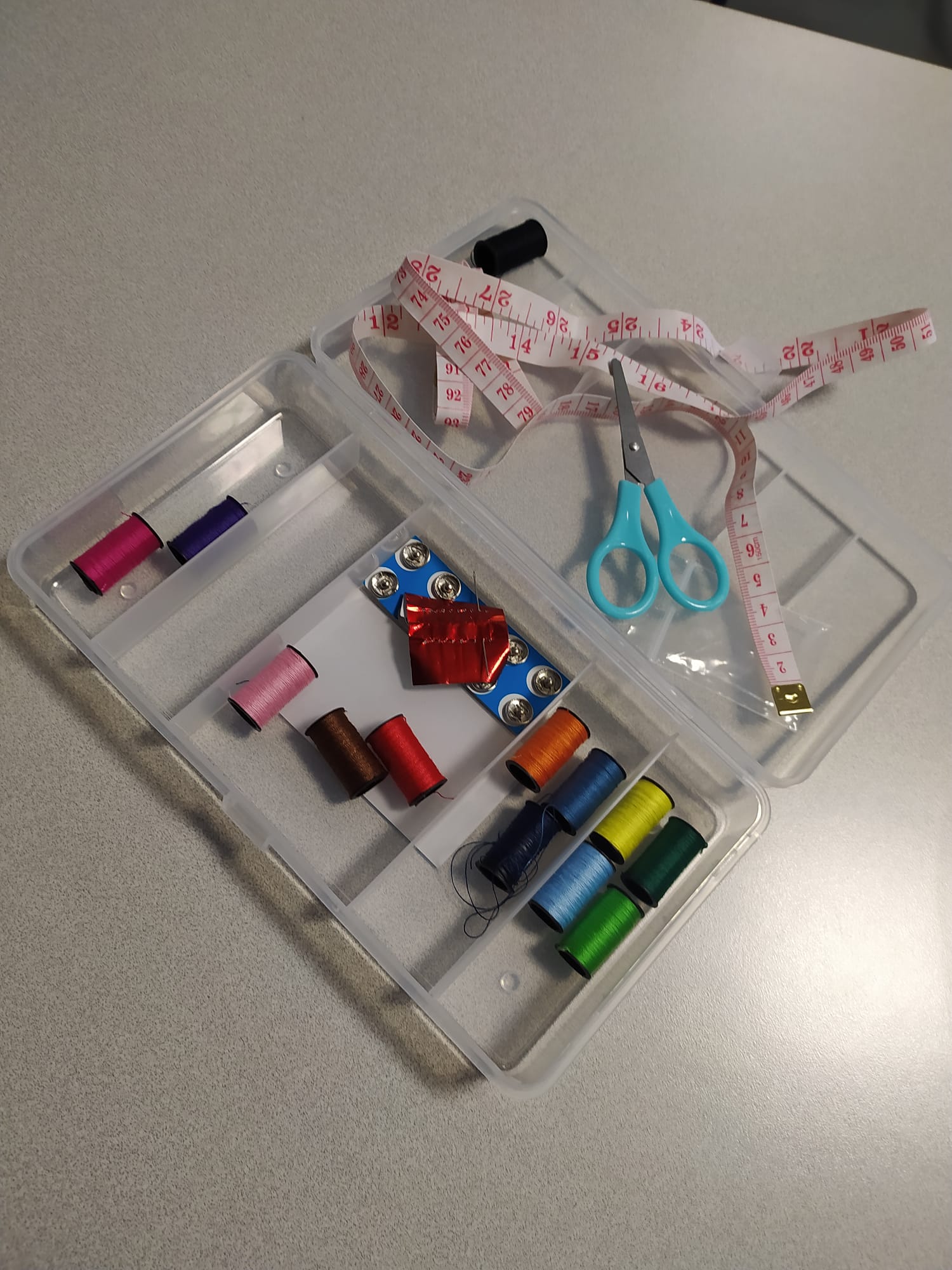
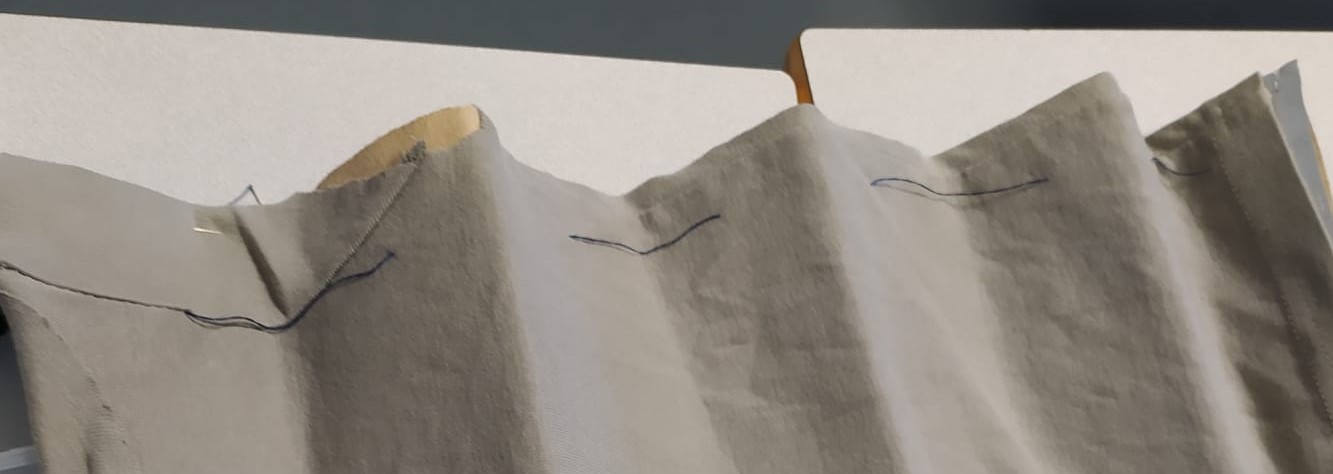
*To finish, pass a thread over the curtain to close and open it. *Use the thread to make a knot on one side and pull on the other to close.


← Retour au répertoire — Fiche originale sur wiki.lowtechlab.org ↗