Marmite norvégienne pour nomades/en
Tuto — Difficulté : Facile — Durée : 2,5 hour(s) — Coût : 7 EUR — Mise à jour : 26 janvier 2024 — 37 révision(s) — Licence : Attribution (CC BY)
Aires : Alimentation Energie — Contributeurs : Ecopractices, FuzzyBot
Fiche reformulée à partir du wiki Low-tech Lab : voir la fiche originale ↗
Versions de cette fiche : EN FR
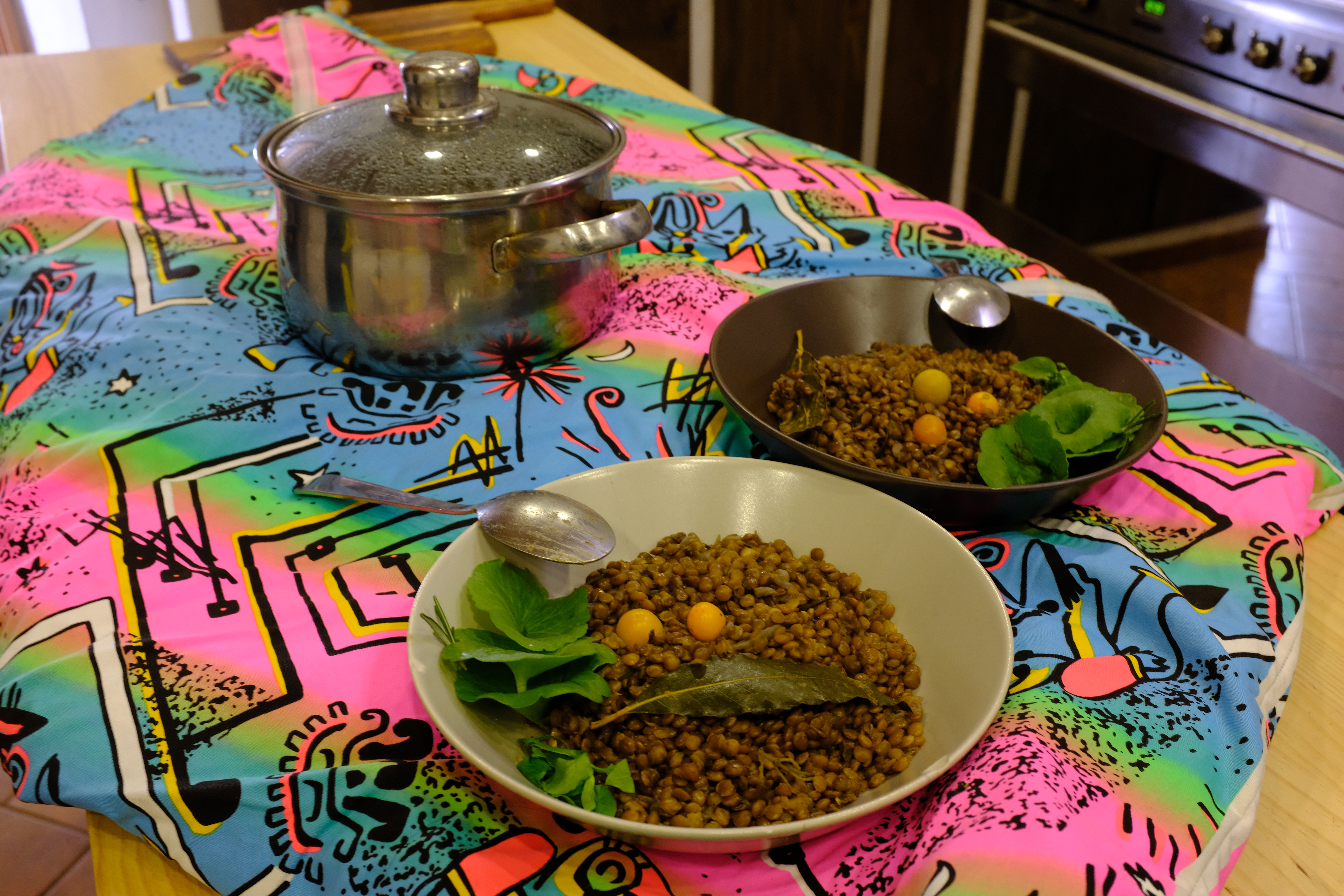
Introduction
The fireless cooker is a steaming device that has been around for thousands of years. The principle is to place a pot in an insulated container after boiling for slow cooking without a heat source. In addition to saving energy, the other advantage is that the nutrients are preserved. The dishes are tasty because they are cooked slowly; we've tested and approved it extensively, particularly with lentil and soups.
Description
Fireless cooker made of a woollen blanket for steaming food. The principle of the fireless cooker or Norwegian pot is to place a stewpot in an insulating receptacle after boiling for slow cooking without using a heat source. This specific space-saving model is perfectly suited to nomadic life, especially in a van, but not only, and can be adapted to various sizes of stewpot or saucepan.
Vidéos
Preparing insulation
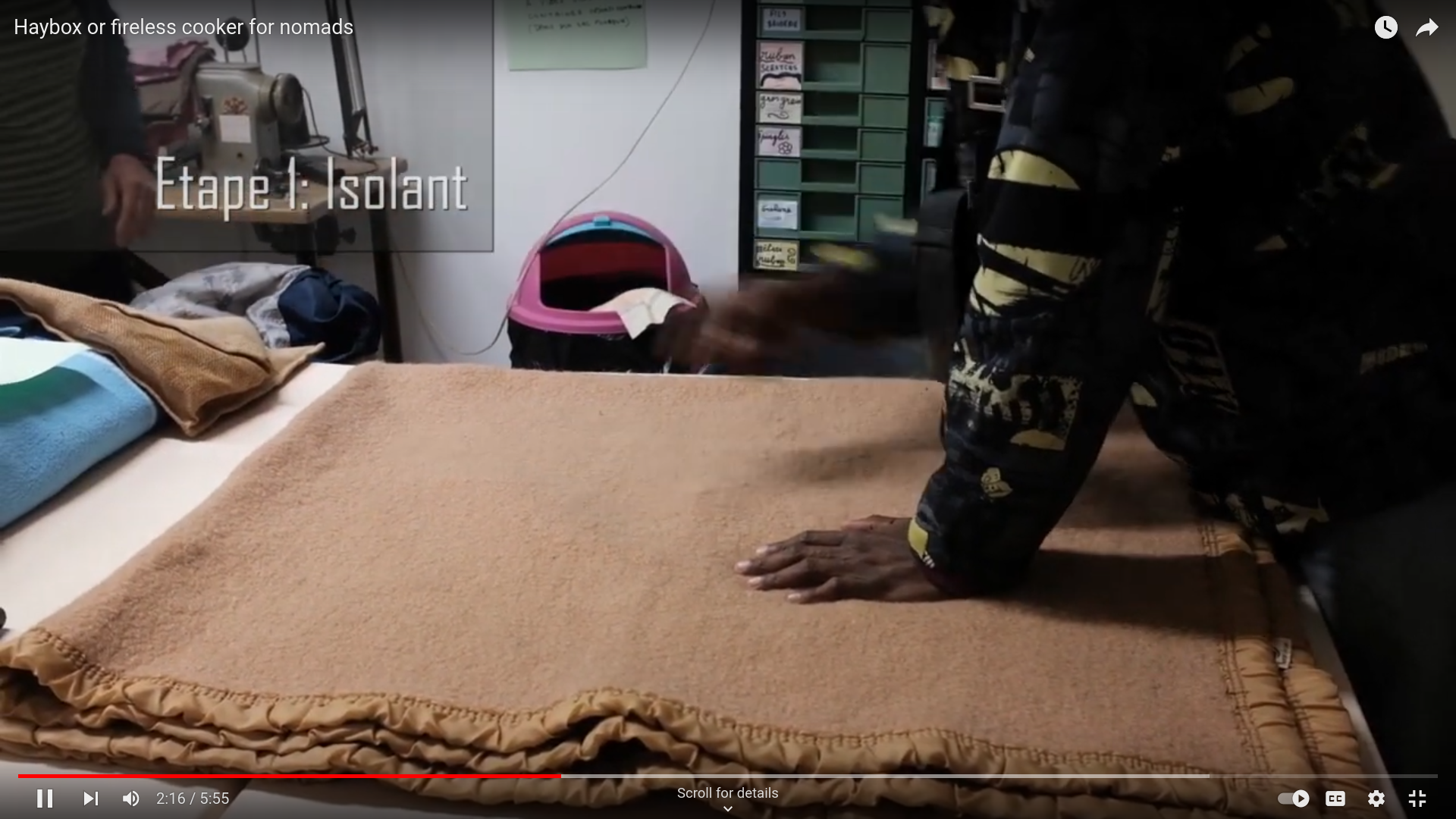
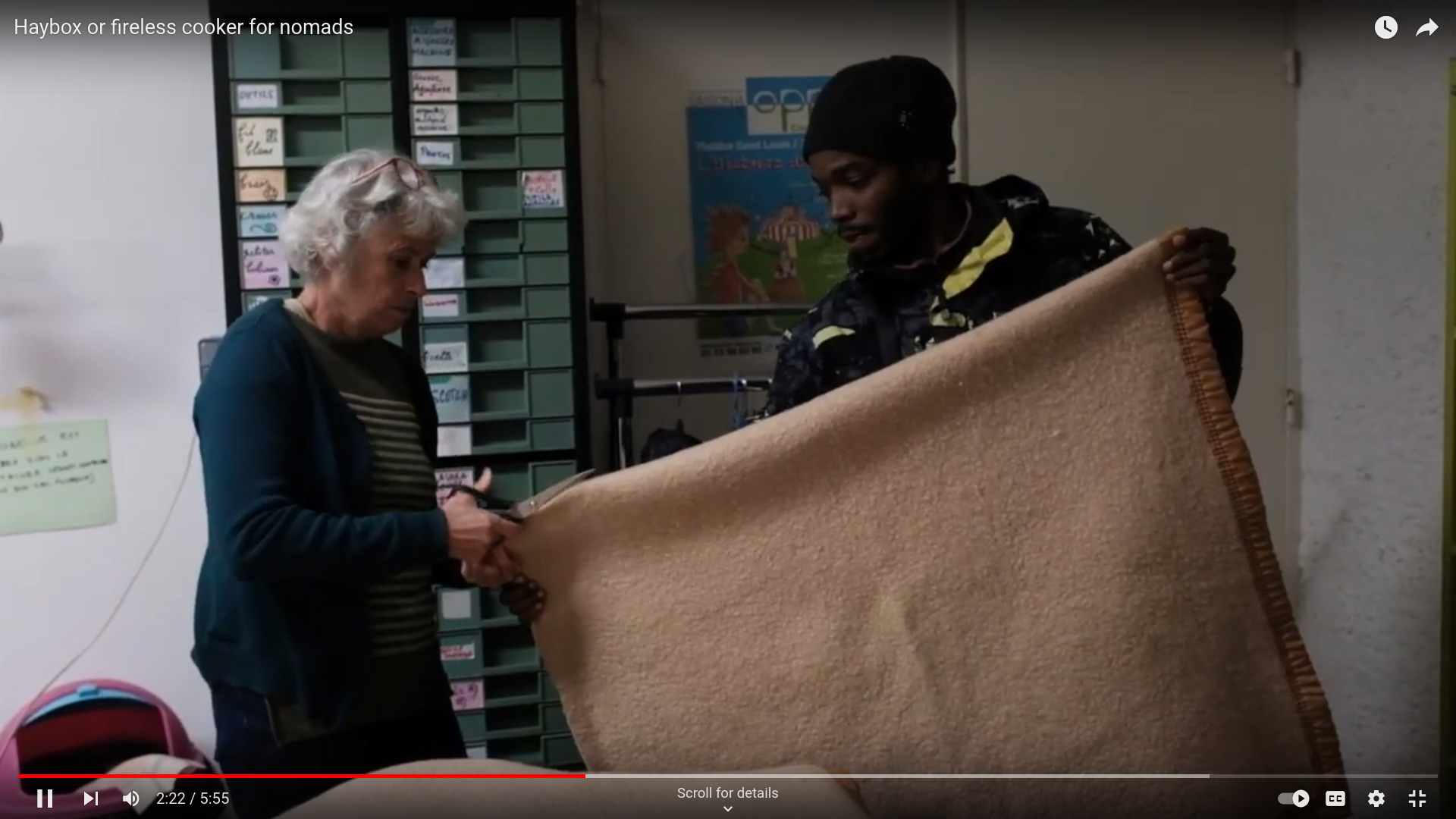
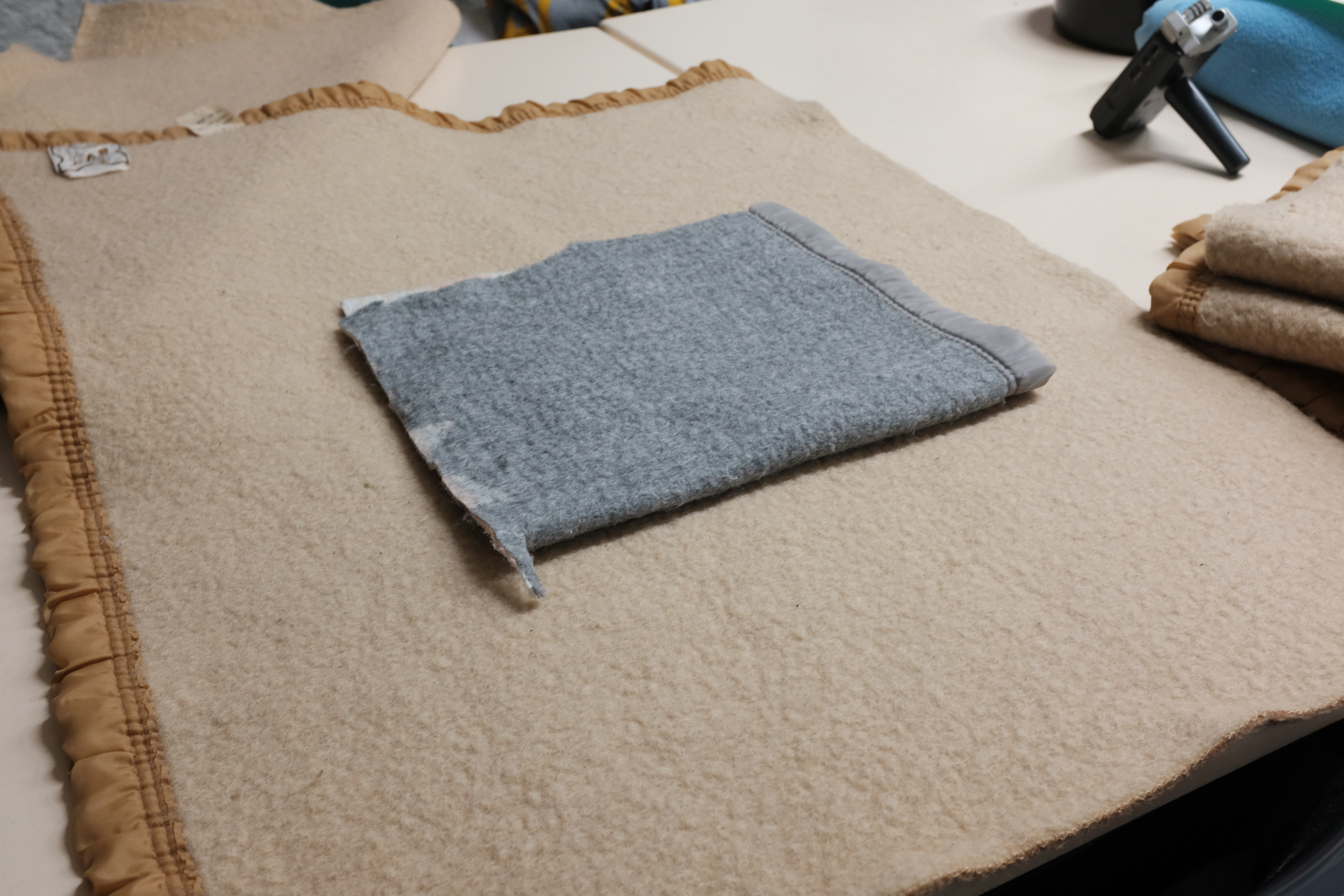
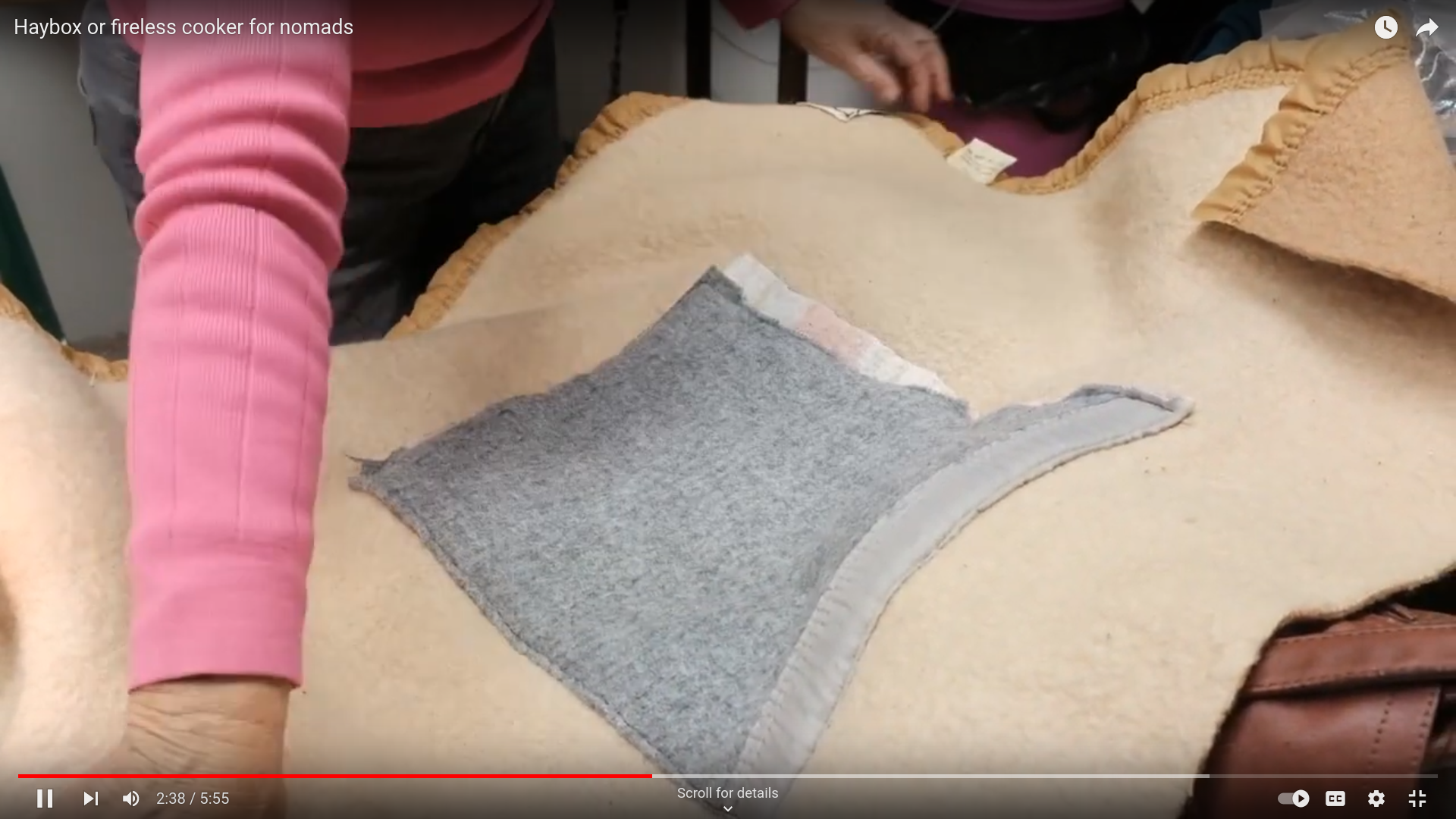
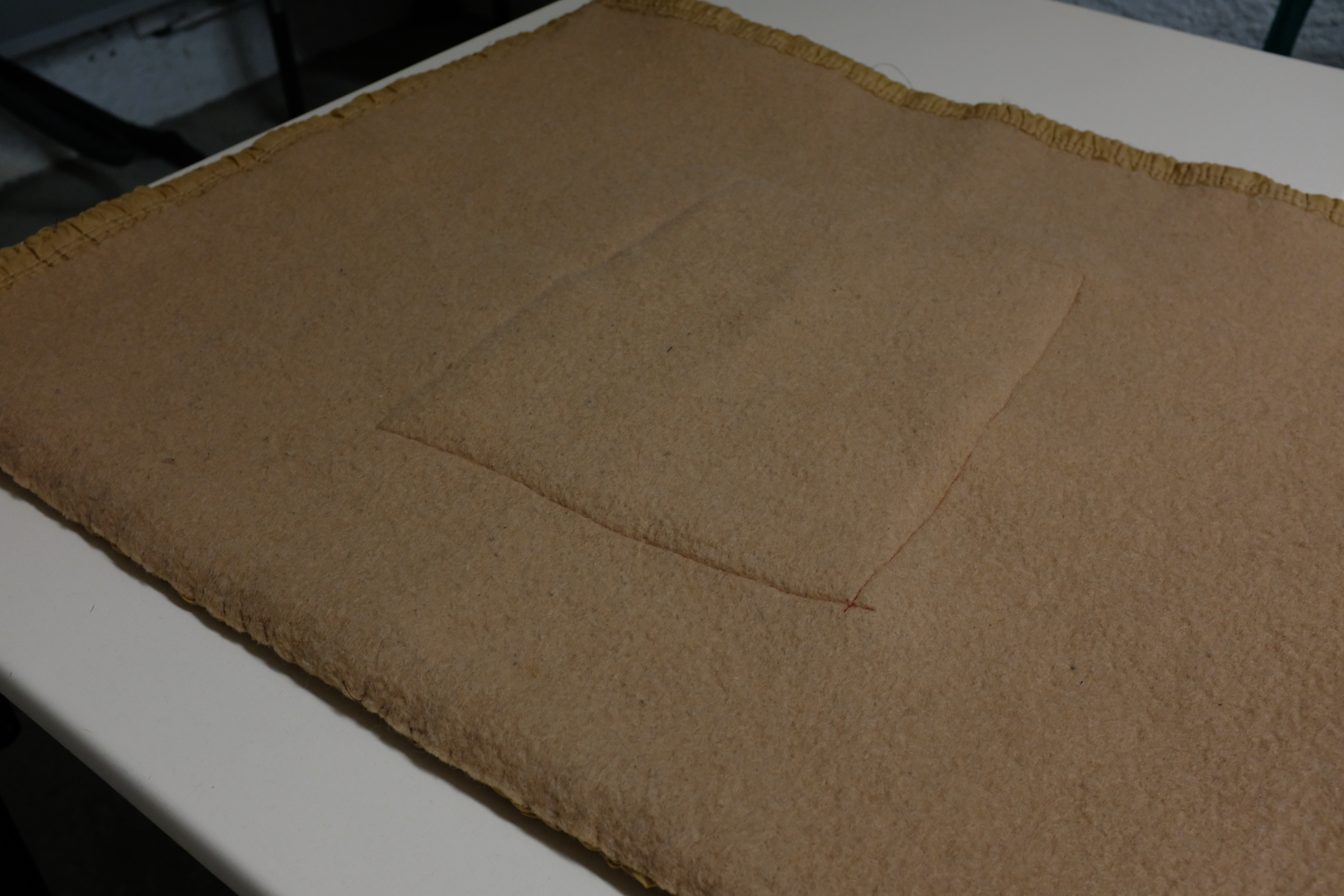
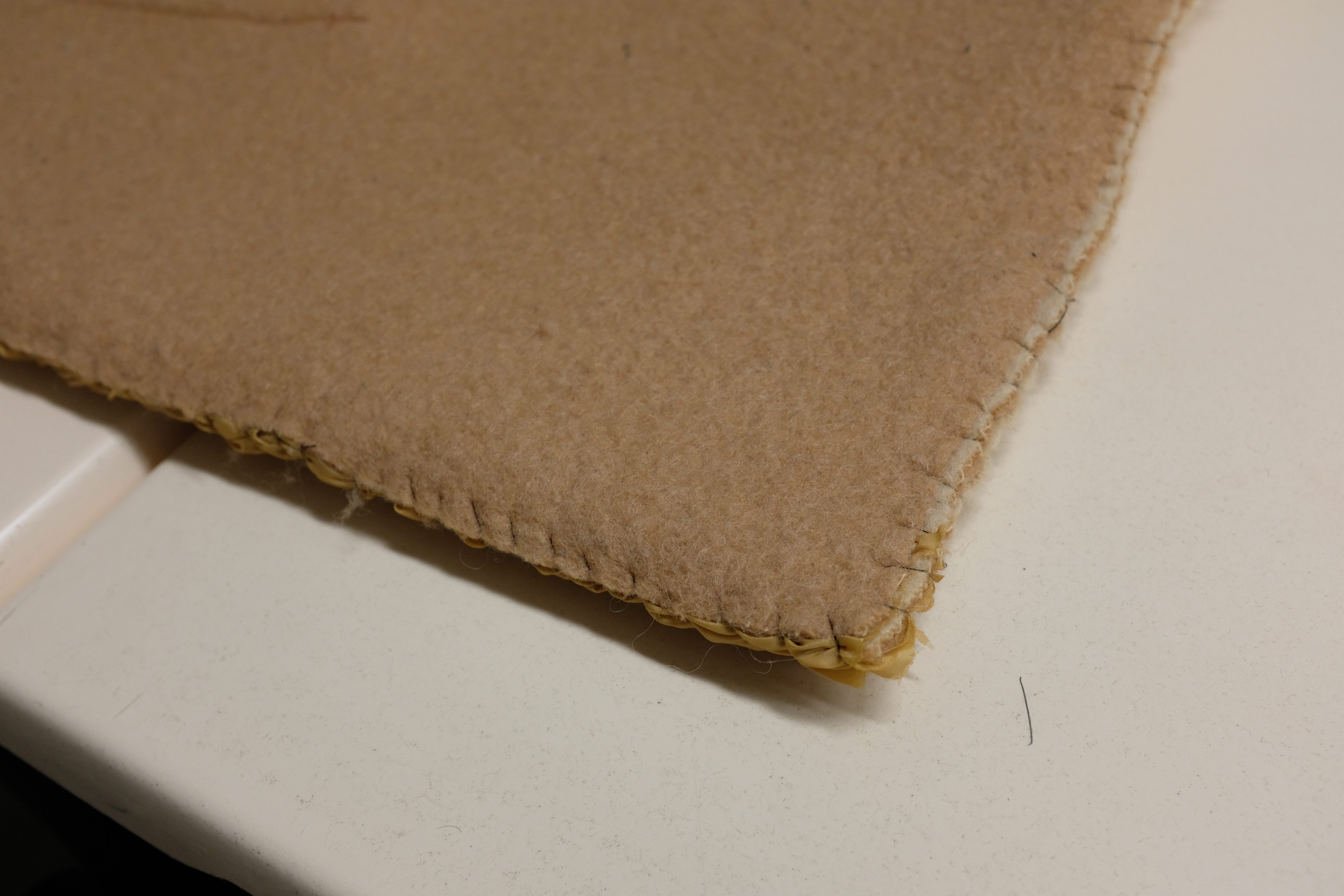
* Fold the blanket into thirds and check that this is enough to enclose your stewpot. * Cut the blanket into three squares of equal size * With the rest, cut two squares the width of the stewpot * Sew these two small pieces in top of each other at the centre of one of the larger squares to make a double base for the stewpot * Overlay the three large squares on top of each other * Sew them together by hand around the edges
Making the cover
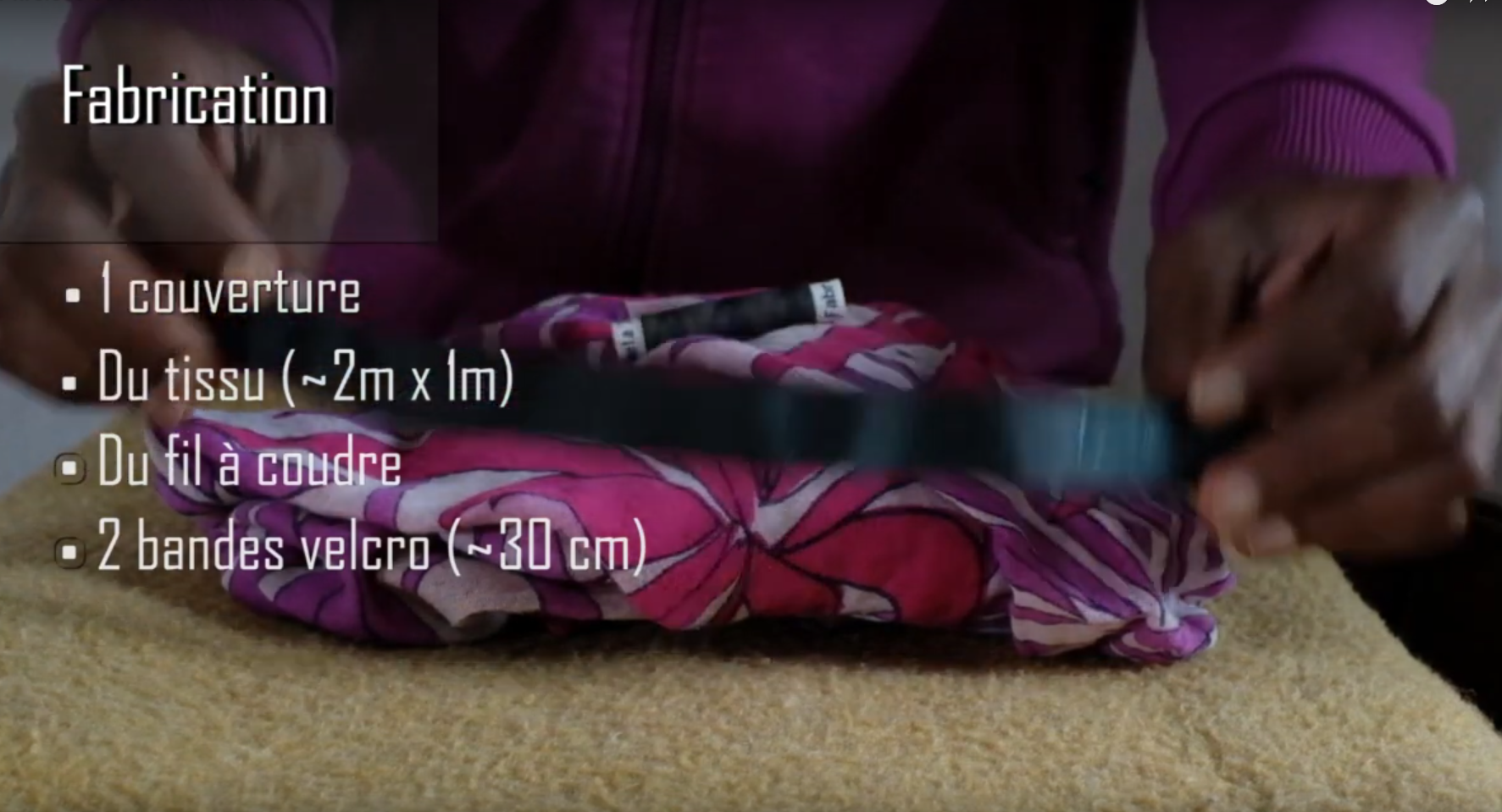
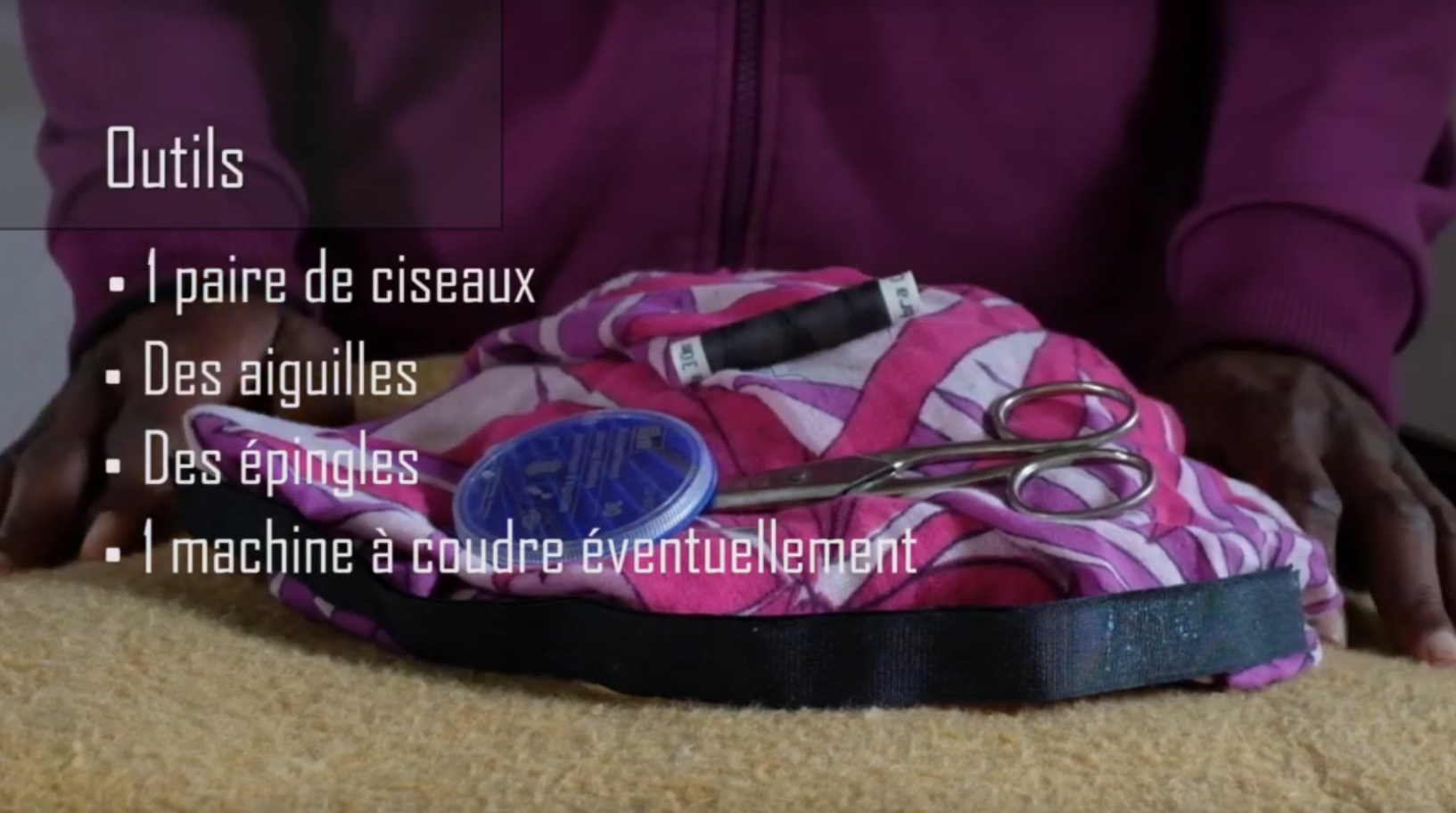
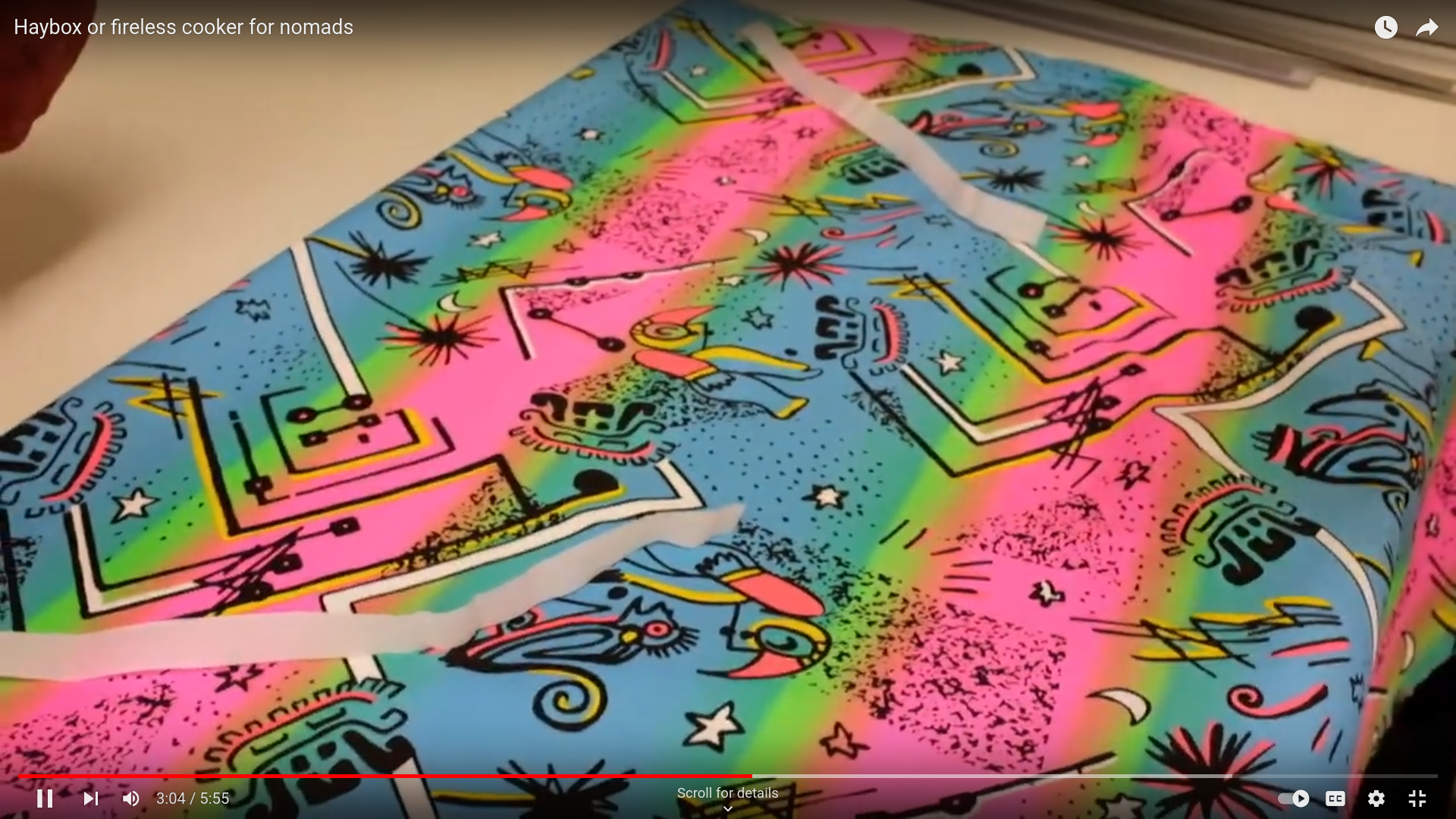
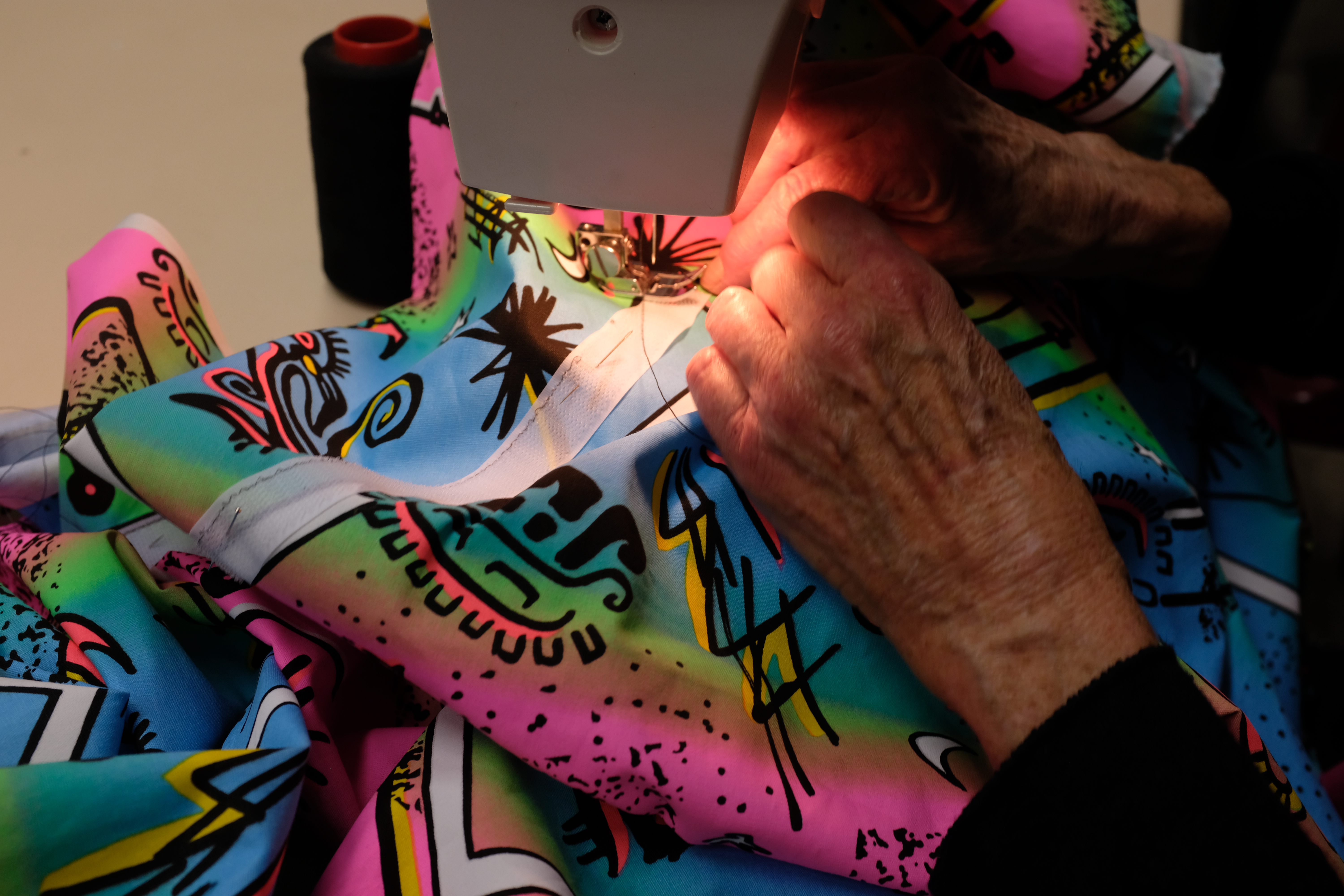
* Cut the fabric to cover both sides of the blanket squares * Cut two Velcro strips about 30 cm long * Position the Velcro strips on the fabric, making sure that the two opposite sides overlap when you close the Norwegian pot on the stewpot. * Secure the Velcro strips to the fabric with pins * Sew them to the fabric * Fold the fabric in half, overlapping the edges * Sew two edges of the fabric together to make the cover * Slide the blankets squares into the cover * Stitch in the centre to keep the blankets in place inside the cover * Sew the last edge of the cover. You can also sew on a zip to make the cover easier to wash. * You can now use your Norwegian pot!
Using the fireless cooker
* Start cooking on the heat using your most isolated pot * Place the lid on the pot and bring to the boil. * Further cook for a few minutes (depending on the recipe chosen, the pre-cooking time will vary). * Place your Norwegian pot wide open on a flat surface * Stop cooking and place the boiling stewpot in the centre of the Norwegian pot * Close the edges with the Velcro strips, taking care not to leave any gaps between the pot and the fabric. * Allow to stew inside the Norwegian pot for the minimum time required according to the recipe, usually double the normal cooking time. * Open the pot and check that it is cooked through and still hot. * All you have to do now is enjoy your tasty recipe.
Tips
* A wool blanket will limit the number of layers you need to use for insulation, but you can use other insulating materials. * Velcro straps allow you to use different sizes of stewpot or saucepan. Make sure you make your Norwegian pot with the largest pot you're going to use. * We recommend that you recycle materials. You can find woollen blankets and cotton fabrics at recycling centres. * When cooking, it's best to choose a cast-iron or terracotta casserole, as the heat loses more slowly, but the most important thing is that the lid fits the pan properly so that it doesn't leak. * Tighten the Velcro straps as much as possible to prevent heat loss. * Make sure that there is enough water in the pot to simmer for several hours. * If you have left your dish to simmer for more than 2 hours, there is a risk that the temperature will have fallen below 60 degrees and that bacteria will have developed. It is therefore advisable to bring your dish to the boil before eating it. * You can use your Norwegian pot as a quilt over your duvet for extra warmth around the feet especially when it is still warm after having cooked!

← Retour au répertoire — Fiche originale sur wiki.lowtechlab.org ↗